Estate Wren · Property brief
What Moves Home Values: Market Drivers, High-Impact Upgrades, and Staging Tips
Home values are shaped by more than headline mortgage rates. A mix of local conditions, buyer preferences, and long-term trends determines whether a property appreciates, holds steady, or softens. Understanding those drivers helps owners prioritize updates and sellers time listings to get the best return.
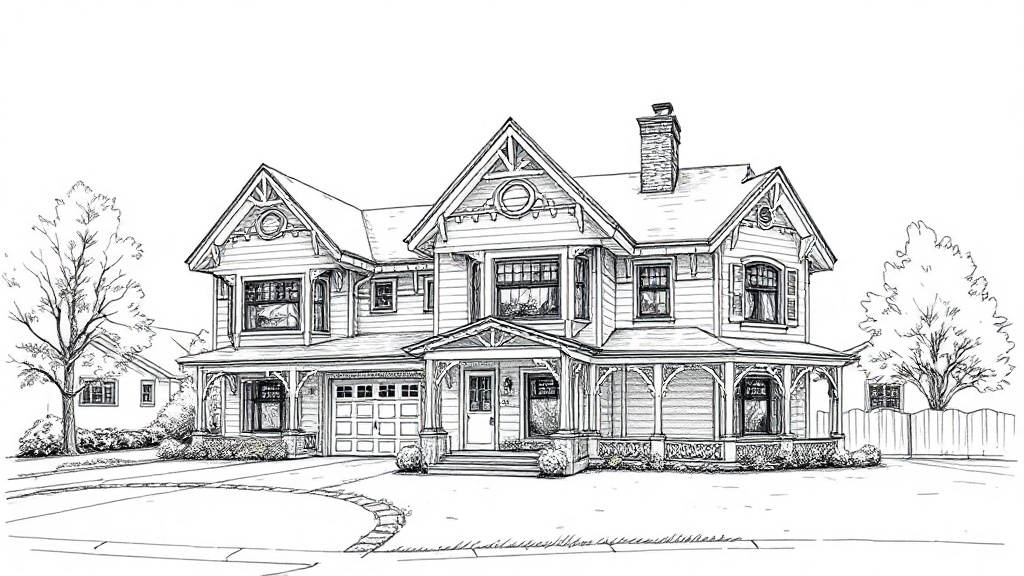
What moves home values
– Interest and lending conditions: Mortgage costs affect buyer purchasing power. When financing is tighter, demand softens, and values can stall; when borrowing is cheap, competition and prices tend to rise.
– Inventory and buyer demand: Low supply relative to demand pushes prices up. New construction, zoning changes, and local building costs influence how quickly inventory adjusts.
– Employment and migration patterns: Job growth, remote-work migration, and regional economic shifts bring buyers to some markets and draw people away from others.
– Neighborhood quality and amenities: Good schools, low crime, transit access, parks, and walkable retail boost desirability—often more so than individual home features.
– Physical resiliency and climate risk: Flood zones, wildfire exposure, and storm vulnerability are increasingly factored into valuations and insurance costs.
– Condition and modernization: Updated systems, efficient HVAC, contemporary kitchens, and fresh paint signal fewer near-term expenses to buyers, supporting higher offers.
High-impact improvements that often increase value
– Curb appeal: Simple landscaping, a well-maintained lawn, and an attractive front door create strong first impressions that can influence offers and perceived value.
– Kitchen and bathroom refreshes: You don’t need a full remodel to move the needle—refacing cabinets, replacing hardware, updating countertops or fixtures, and modern tile can be cost-effective.
– Energy efficiency upgrades: Adding insulation, sealing drafts, upgrading windows, or installing a high-efficiency water heater appeals to energy-conscious buyers and can reduce operating costs.
– Smart, functional updates: Adding usable living space (finished basements, attic conversions), improving storage, or creating a flexible home-office area aligns with buyer priorities today.
– Maintenance and systems: Addressing roof, electrical, plumbing, and foundation issues before listing avoids appraisal surprises and costly renegotiations.
Presentation and pricing strategies
– Price to the market: Comparable sales and active listings are the strongest signals to buyers and appraisers. Overpricing often leads to stale listings and lower final sale prices.
– Professional photos and virtual tours: Most buyers begin online.
High-quality imagery and clear floor plans increase click-throughs and perceived value.
– Staging and decluttering: Neutralizing personal items and highlighting each room’s function helps buyers imagine living there, often shortening market time.
– Pre-listing inspection and repairs: Identifying and addressing minor defects before buyers discover them prevents price reductions and fosters confidence in offers.
Longer-term considerations
– Keep up with local zoning and policy: Changes to short-term rental regulations, property-tax rules, or development plans can rapidly affect localized demand.
– Track neighborhood investments: Public improvements—new schools, transit lines, parks—often raise values over time.
– Maintain records: Warranties, maintenance receipts, and permits for upgrades make it easier to justify asking prices and reassure buyers.
Practical next steps for homeowners
1.
Get a quick market analysis to set realistic expectations for value.
2. Address visible maintenance issues and enhance curb appeal.
3. Focus improvement dollars on high-visibility, cost-effective projects.
4. Work with an agent who understands local comps and buyer profiles.
A thoughtful combination of timely maintenance, selective upgrades, and strategic marketing supports stronger home values and smoother sales outcomes.