Estate Wren · Property brief
What Drives Home Values: Opportunity Zones, Global Housing Slumps, and Climate Insurance Risk
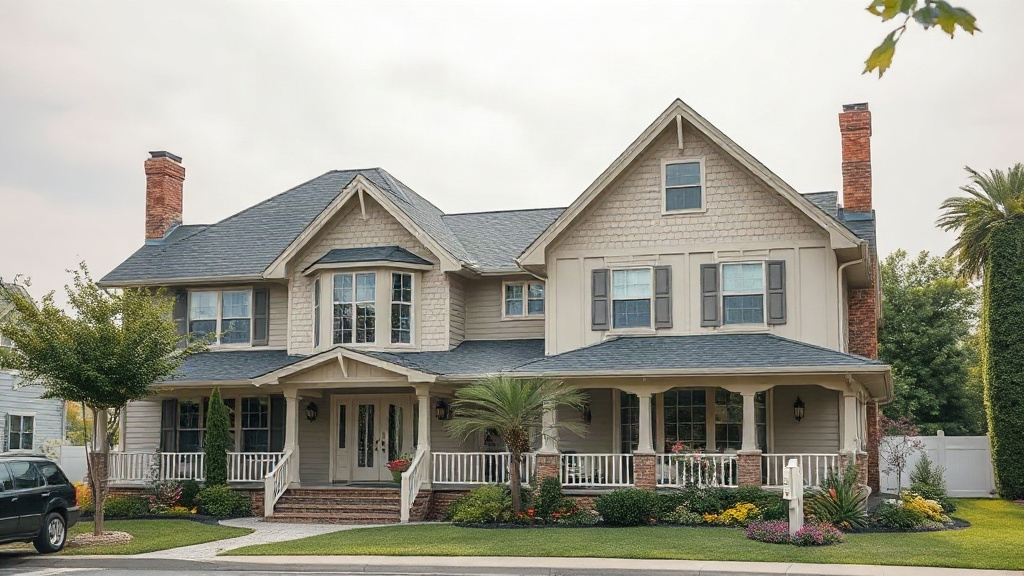
Home values rarely move because of a single factor. Today, three forces are pulling on property prices in different directions: tax-driven investment incentives, a prolonged global housing slump, and mounting climate-related insurance pressure. Together they offer a useful snapshot of what really drives what a home is worth.
Opportunity Zones Are Putting Certain Markets on Investor Radars
One of the most talked-about trends in U.S. real estate is the coming wave of new Opportunity Zone designations. The program, which offers tax advantages to investors who put capital into designated lower-income communities, is being renewed with a fresh round of zones. Recent reporting suggests that home values are already climbing in several states where investors expect new designations.
This is a classic example of anticipation shaping prices. Buyers and developers tend to move before the official map is released, and that early activity can lift values in neighborhoods that had been overlooked for years. For existing homeowners, that can mean welcome equity growth. For renters and first-time buyers, it can mean rising costs and tighter competition.
The takeaway: policy headlines can move local markets well before any incentive takes effect. If you own or are shopping in an area that could be designated, watch for new construction permits, commercial development announcements, and changes in investor purchase activity.
China's Prolonged Slump Shows How Hard Price Declines Are to Reverse
On the other side of the world, China's housing market is a reminder that stimulus does not guarantee a rebound. Home prices there continue to slide even after the latest round of government support. Weak buyer confidence, developer financial stress, and a large inventory of unsold homes have all kept demand subdued.
The lesson reaches beyond one country. Home values depend heavily on sentiment. When buyers believe prices will keep falling, they wait, and that waiting can become self-reinforcing. Policy measures such as lower mortgage rates, relaxed purchase rules, and financing support for builders can help, but they work slowly when confidence is damaged.
For U.S. homeowners, the situation is very different, with limited supply still supporting prices in many regions. Still, it is a useful reminder that markets can stay soft far longer than optimists expect.
Disaster Risk Is Becoming a Home Value Issue
Perhaps the most important long-term story is the link between natural disaster risk, insurance availability, and property values. A recent report warns that rising disaster exposure threatens both the availability of insurance coverage and the value of homes in vulnerable areas.
The mechanism is straightforward. When insurers raise premiums sharply, limit coverage, or leave a region altogether, the cost of owning a home rises. Mortgage lenders typically require insurance, so buyers who cannot secure affordable coverage often cannot close a purchase. Fewer qualified buyers means less demand, and less demand puts downward pressure on prices.
Areas prone to wildfires, hurricanes, flooding, and severe storms are feeling this most. Even homes that have never been damaged can see their values affected simply because the cost of insuring them has climbed.
What Homeowners and Buyers Can Do Now
Understanding these forces can help you make smarter decisions:
- Get insurance quotes early. Before making an offer, ask for a realistic estimate of annual premiums and confirm what is and is not covered. - Research hazard exposure. Check flood maps, wildfire risk scores, and local climate projections for any property you are considering. - Invest in resilience. Upgrades like impact-resistant roofing, improved drainage, and defensible landscaping may reduce risk and help preserve value. - Track local policy. Zoning changes, tax incentives, and infrastructure investment often signal where values may be headed. - Think long term. Short-term price swings matter less if you plan to stay put for many years and can comfortably handle the carrying costs.
The Bigger Picture
Home values reflect far more than square footage and curb appeal. Government incentives, buyer psychology, and environmental risk all shape what a property is worth and how easily it can be insured, financed, and sold. Homeowners and buyers who pay attention to all three will be better positioned to protect their investment, whatever direction the market takes next.