Estate Wren · Property brief
What Drives Home Values — How to Protect and Boost Your Home Equity
What drives home values and what homeowners can do to protect—or boost—their equity
Home values are shaped by a mix of big-picture forces and everyday choices.
Understanding the core drivers helps homeowners make smart decisions about repairs, renovations, pricing and timing when selling. Below are the most impactful factors and practical steps that tend to deliver the best return.
Key drivers of home values
– Supply and demand: When available homes are scarce relative to buyers, prices rise. When inventory grows, upward pressure eases.
Local markets often behave differently, so neighborhood-level supply matters more than national headlines.
– Mortgage rates and buyer capacity: Borrowing costs affect what buyers can afford.
Rate movements influence buyer demand and can change how quickly homes sell and at what price.
– Local economic health: Job growth, major employers, transit investments and new amenities draw buyers and support prices.
– Neighborhood quality: Schools, safety, walkability, parks and retail access consistently influence values.
– Home condition and features: Updated systems, efficient windows, useful layouts and modern finishes make a property more competitive.
– Comparable sales: Recent sales of similar homes nearby (comps) are the most reliable guide for pricing.
High-impact upgrades that tend to raise value
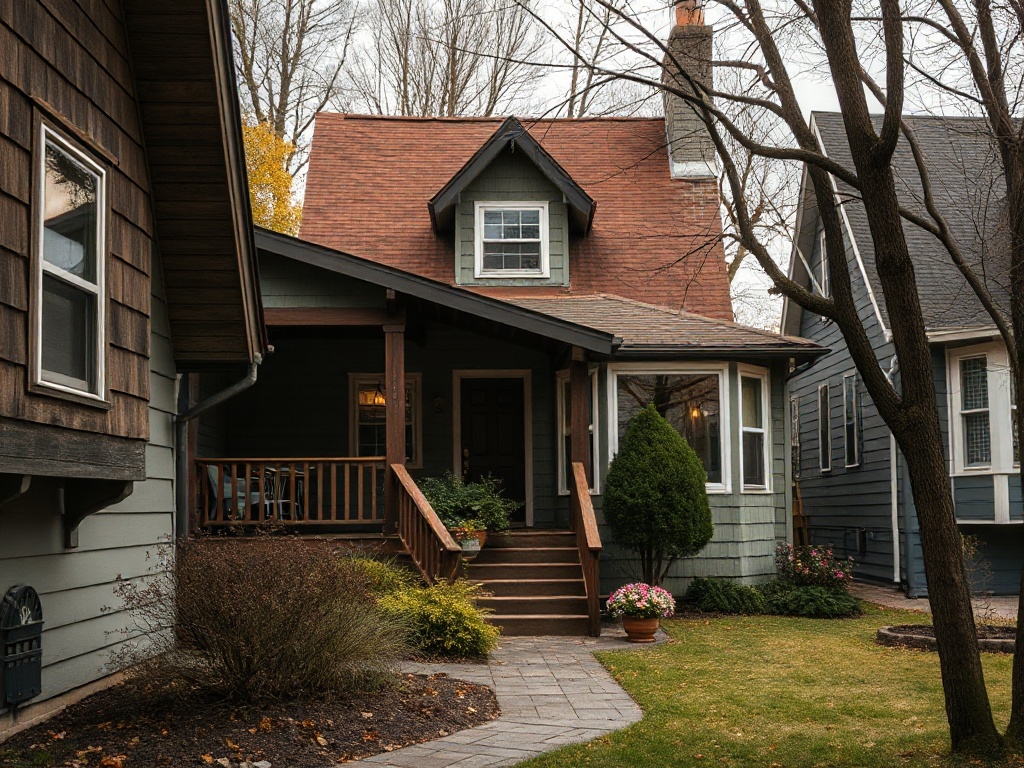
– Curb appeal: Clean landscaping, a fresh coat of exterior paint or a new front door are relatively low-cost and create strong first impressions.
– Kitchen refresh: Rather than a full gut remodel, targeted updates like new countertops, cabinet refacing, modern hardware and energy-efficient appliances often provide strong returns.
– Bathroom improvements: Replacing old fixtures, re-grouting, new vanity or updated lighting can modernize bathrooms without overspending.
– Energy efficiency: Adding insulation, upgrading to efficient HVAC, smart thermostats and LED lighting appeals to value-conscious buyers and can be highlighted in marketing.
– Functional layouts: Opening a cramped living area or adding a usable bedroom or bathroom typically increases desirability and price per square foot.
– Maintenance and systems: A well-documented history of updates to roof, plumbing and electrical systems reduces buyer risk and can speed sale negotiations.
Staging, marketing and pricing strategies
– Stage with intent: Professionally staged rooms help buyers imagine living in the space; declutter, depersonalize and focus on traffic flow.
– Professional photography and virtual tours: Most buyers start online; high-quality visuals significantly boost click-through and showing rates.
– Price based on comps and momentum: Start with recent nearby sales of truly comparable homes.
Pricing slightly under perceived value can create bidding activity; pricing too high often leads to stale listings.
– Highlight differentiators: Market energy-efficient upgrades, smart home features, strong connectivity, transferable warranties and recent inspections.
Tools and tactics for sellers and buyers
– Comparative Market Analysis (CMA): An agent-provided CMA is the best starting point for pricing decisions.
– Online valuation tools: Useful for a quick check but treat estimates as broad indicators rather than definitive values.
– Pre-listing inspection: Identifies deal-killing issues early and enables targeted repairs or transparent pricing adjustments.
– Local timing: Watch neighborhood inventory cycles and open-house traffic patterns; listing when demand is strongest locally can improve outcomes.
Protecting long-term value
Maintain a regular upkeep schedule, keep records of improvements, and invest selectively in high-ROI projects.
Staying informed about local development plans and school performance helps anticipate shifts in demand. Thoughtful maintenance and smart, market-aligned upgrades are the most reliable ways to preserve and grow home equity.