Estate Wren · Property brief
Top Smart Renovations to Boost Home Value, Sell Faster, and Maximize ROI
Smart Renovations That Boost Home Value and Sellability
Deciding which home improvements will actually increase resale value and attract buyers can feel overwhelming. Focused, strategic updates deliver the best return on investment and shorten time on market. Below are high-impact projects and practical tips to help homeowners prioritize work that pays off.
High-Impact Projects to Consider
– Kitchen updates: A modern, functional kitchen remains a top selling point. Prioritize new cabinet fronts or refacing, energy-efficient appliances, updated countertops, and a neutral backsplash.
You don’t need a full gut renovation to make a big impression—cosmetic upgrades that improve flow and storage often perform best.
– Bathroom refreshes: Bathrooms sell homes. Replace outdated fixtures, regrout tiles, add modern vanities, and install water-efficient toilets and faucets. Even minor improvements like new lighting and hardware can elevate perceived value.
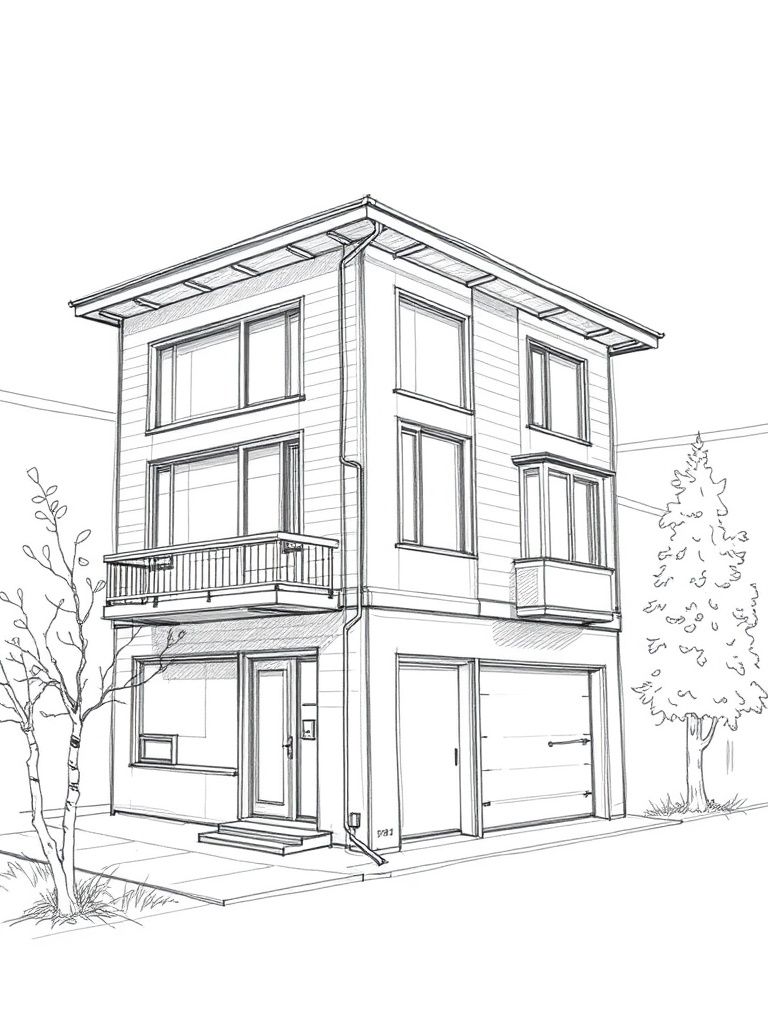
– Curb appeal and landscaping: First impressions matter. Fresh paint for the front door, well-maintained landscaping, clean walkways, and updated exterior lighting invite buyers in.
Invest in native, low-maintenance plants and proper grading to prevent drainage issues.
– Energy-efficient improvements: Buyers are increasingly focused on ongoing costs. Adding LED lighting, smart thermostats, improved insulation, and double- or triple-pane windows can make a property more attractive. Solar panels may be worth considering depending on local incentives and buyer preferences.
– Flooring upgrades: Replacing worn carpets and refinishing hardwood floors are relatively low-cost moves that dramatically improve a home’s feel.
Opt for durable, neutral flooring that appeals to a wide audience.
– Paint and finishes: A fresh, neutral paint palette throughout the home creates a clean canvas. Update tired trim, replace dated hardware, and coordinate finishes for a cohesive look.
Smart, Cost-Effective Strategies
– Focus on kitchens and bathrooms first, then curb appeal.
These areas typically influence buyer decisions most strongly.
– Prioritize projects that reduce buyer friction: roof repairs, HVAC servicing, and fixing leaks instill confidence during inspections and minimize renegotiation.
– Stage strategically. Decluttering, maximizing natural light, and using tasteful furnishings help buyers imagine living in the space. Professional staging can be a worthwhile investment, especially in competitive markets.
– Know your neighborhood. Not all upgrades yield equal returns everywhere.
High-end renovations may not pay off in more modest neighborhoods, while energy efficiency and maintenance-related fixes often appeal universally.
– Shop smart for contractors.
Get multiple bids, check references and licenses, and insist on clear timelines and written warranties. Small delays or surprises can erode profit margins.
How to Measure Success
– Compare similar recently sold homes in your area to see which features buyers valued most.
Local real estate agents and appraisers provide practical, market-specific guidance.
– Track cost vs. perceived value. If an upgrade improves the home’s appeal and reduces the time on market, it has tangible benefit beyond strict dollar returns.
– Consider buyer demographics.
Families prioritize functional layouts and storage. Empty-nesters may favor low-maintenance finishes and accessible features. Tailor renovations to the likely buyer pool.
Final tips
Plan renovations with resale in mind: tasteful, durable, and broadly appealing.
Avoid over-personalizing spaces or investing heavily in ultra-niche features that may limit your buyer pool. Thoughtful improvements—especially those that enhance functionality, energy efficiency, and curb appeal—regularly deliver the strongest payoff and help homes stand out to today’s buyers.