Estate Wren · Property brief
Top Energy-Efficient Upgrades to Increase Home Value, Cut Utility Bills, and Sell Faster
Energy-efficient upgrades are more than a trend — they’re a practical way to reduce monthly costs and make a home more attractive to buyers. Whether you’re planning to sell soon or simply want lower utility bills and greater comfort, targeted improvements deliver clear benefits for value, marketability, and long-term savings.
Why energy efficiency matters for value
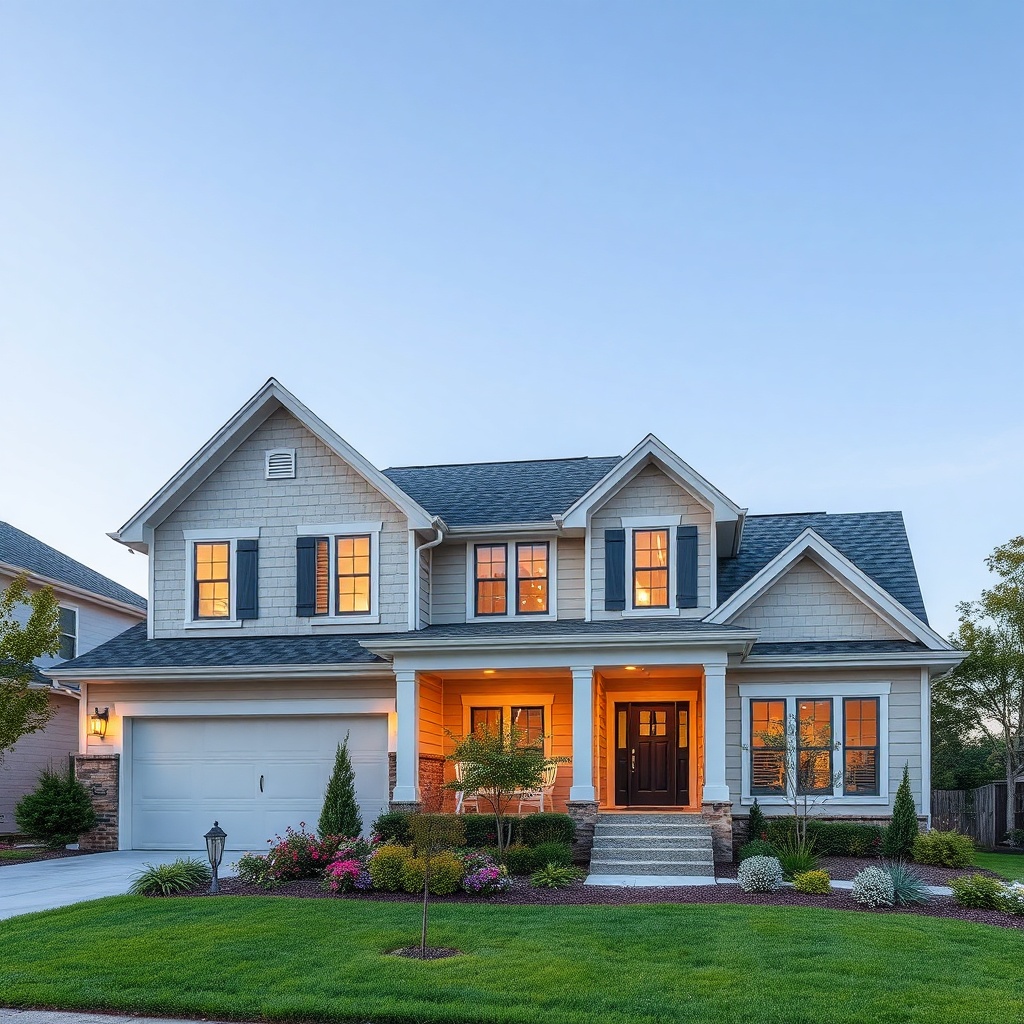
Buyers increasingly prioritize homes with lower operating costs and modern systems. Energy-efficient features can shorten time on market and strengthen offers, especially when performance is documented.
Appraisers and real estate agents are paying closer attention to actual energy savings and certifications, which helps translate improvements into measurable value.
High-impact upgrades that typically deliver strong returns
– Insulation and air-sealing: Tightening the building envelope and updating insulation in attics, crawl spaces, and exterior walls often yields immediate comfort and energy-bill reductions. This is one of the most cost-effective upgrades per dollar spent.
– High-efficiency HVAC and heat pumps: Replacing an old furnace or air conditioner with a high-efficiency heat pump can reduce heating and cooling expenses while improving comfort and humidity control. Modern systems also pair well with smart controls.
– Window upgrades: Replacing single-pane or deteriorated windows with double- or triple-pane units reduces heat loss and drafts. If full replacement isn’t feasible, targeted sealing and storm windows can help.
– Solar panels: Solar systems can significantly lower electric bills and appeal to buyers seeking predictable energy costs. Performance data and transferable warranties enhance resale value.
– Smart thermostats and controls: Smart thermostats, zoning controls, and energy monitors improve system efficiency and provide data that buyers appreciate.
– LED lighting and efficient appliances: Lighting and appliance upgrades are relatively low-cost ways to reduce energy use and show immediate savings.
– Water-efficiency upgrades: Low-flow fixtures, efficient irrigation systems, and tankless or high-efficiency water heaters cut water and energy bills, a selling point in areas with scarce water resources.
– EV charging: Adding a Level 2 electric vehicle charger is a desirable amenity in many markets and signals forward-looking infrastructure.
How to maximize return on investment
– Start with an energy audit: A professional audit identifies the biggest opportunities and helps prioritize work. Many utilities offer free or subsidized audits.
– Focus on high-impact, visible improvements: Buyers notice modern HVAC systems, solar panels, and updated windows.
These not only save energy but also signal good maintenance.
– Keep documentation: Save invoices, warranties, performance reports, and any third-party certifications.
Documented savings and transferable warranties reduce buyer uncertainty.
– Consider certification: ENERGY STAR, HERS ratings, and local green building certifications add credibility and can be used directly in listings.
– Use available incentives and financing: Local utilities, municipalities, and lenders often offer rebates, tax incentives, or green loan options that reduce upfront cost.
Explore programs that tie payments to the property, where available.
Marketing energy efficiency in listings
Highlight estimated monthly savings, system ages and warranties, and any certification scores. Include energy bills or a summary of historical costs when possible. Use photos of major systems (solar array, new HVAC, upgraded insulation access) to reinforce value.
Buyer and seller tips
Sellers: Prioritize improvements that deliver both saving and curb appeal. Avoid over-improving for your neighborhood. Small, well-documented upgrades often outperform expensive projects with minimal visibility.
Buyers: Look beyond cosmetic features and factor long-term operating costs into your purchase decision. Request utility bills, performance data, and warranty transfers as part of due diligence.
Energy-efficient upgrades make homes more comfortable, affordable to run, and competitive in the marketplace.
A targeted approach — informed by an audit, bolstered by documentation, and promoted clearly in marketing — helps homeowners capture the most value from green investments.