Estate Wren · Property brief
Sustainable, Energy-Efficient Home Upgrades That Boost Real Estate Value and Sell Faster
Sustainability and energy efficiency have moved from niche selling points to central features shaping today’s real estate market. Homebuyers now prioritize lower utility bills, healthier indoor environments, and reduced carbon footprints, and sellers who highlight these qualities often see stronger interest and faster sales. Understanding which upgrades deliver the best return and how to market them can make a significant difference for both buyers and sellers.
Why sustainability matters to buyers and sellers
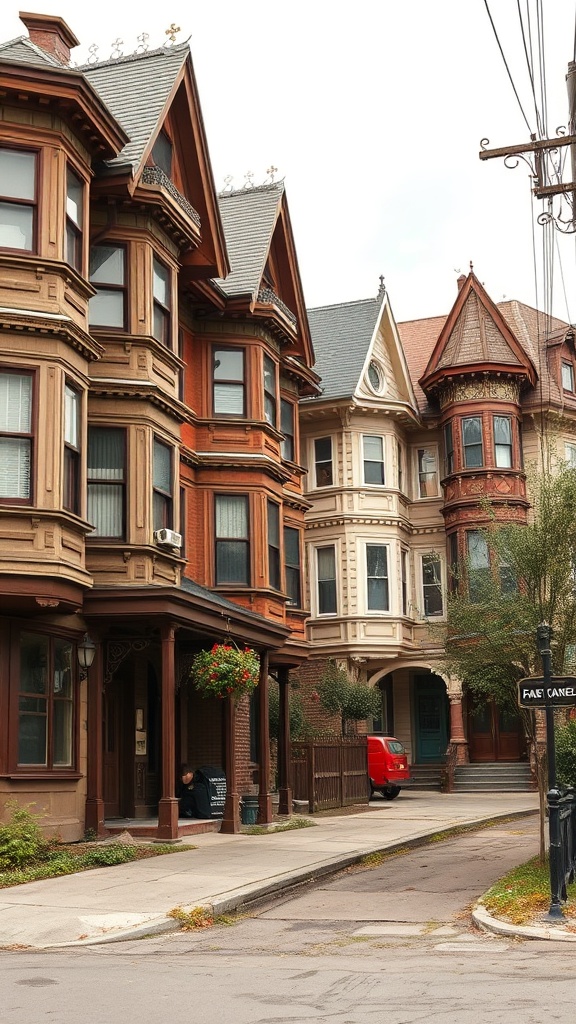
Energy-efficient homes offer tangible benefits: reduced monthly operating costs, improved comfort, and increased resale appeal.
Buyers are more informed and are looking beyond cosmetic updates to features that lower long-term ownership costs. For sellers, proven energy upgrades can justify higher asking prices and attract buyers willing to pay a premium for predictable expenses and modern systems.
High-impact upgrades that influence value
Not all “green” improvements carry equal weight. Focus on upgrades that combine measurable savings, comfort gains, and market appeal:
– Insulation and air sealing: Sealing drafts and upgrading insulation often provide the fastest payback through lower heating and cooling costs and improved comfort.
– Efficient HVAC and heat pumps: Modern systems and heat pumps can significantly reduce energy use while improving temperature control and humidity management.
– Solar photovoltaic systems and battery storage: Solar paired with storage reduces grid dependency and appeals strongly to eco-conscious buyers.
Proper documentation of ownership and production data increases buyer confidence.
– High-efficiency windows and doors: These reduce energy loss and improve comfort while enhancing curb appeal.
– Smart thermostats and home automation: They offer easy, demonstrable energy savings and responsivity, which is attractive to tech-savvy buyers.
– Water-saving fixtures and landscaping: Efficient irrigation and low-flow fixtures reduce utility bills and are increasingly valued in water-constrained regions.
Certifications and proof of performance
Third-party certifications and energy audits make sustainability claims credible. Energy certifications, home energy scores, and detailed utility bill histories provide tangible proof that upgrades deliver measurable results. When possible, include recent audit reports, solar production records, and manufacturer warranties with the listing materials.
Financing options and incentives
Financing and incentives can make upgrades more attainable for buyers and sellers planning renovations. Green mortgages, efficiency-focused loans, and property-assessed financing programs can reduce upfront costs.
Additionally, local incentives, tax credits, and utility rebates often offset a portion of installation expenses for solar, heat pumps, and insulation projects. Highlighting available incentives in listings can motivate buyers and streamline transaction negotiations.
Marketing sustainability effectively
Successful marketing translates technical improvements into homeowner benefits: lower bills, better comfort, and healthier indoor air. Use clear, consumer-friendly language and visuals:
– Lead with concrete benefits (estimated monthly savings, projected payback period).
– Include images of visible upgrades (solar panels, new HVAC equipment, insulation work).
– Offer downloadable documentation—energy reports, rebates applied, and warranties.
– Target audiences who value sustainability, including first-time buyers, downsizers, and eco-conscious investors.
Practical tips for sellers and buyers
– Sellers: Prioritize upgrades that are cost-effective and easy for buyers to verify, and prepare a one-page “energy improvements and savings” sheet for listings.
– Buyers: Request energy consumption records, inspection reports, and recent utility bills; consider the lifecycle cost of systems, not just purchase price.
– Both: Work with real estate agents and contractors experienced in green homes to avoid common pitfalls and maximize value.
Sustainable homes are more than a trend—they represent a smarter approach to long-term homeownership. Whether improving a property for sale or evaluating a purchase, focusing on performance, documentation, and buyer-friendly messaging will pay off. Take stock of the highest-impact upgrades for your property, gather clear proof of performance, and lead with the homeowner benefits when marketing or evaluating a home.