Estate Wren · Property brief
Sell Your Home Faster and for More Money: Curb Appeal, Staging & Smart Upgrades
Selling a home can feel overwhelming, but targeted preparation delivers measurable returns. Focusing on curb appeal, smart upgrades, accurate pricing, and polished marketing helps homes sell faster and for more money. Use this practical guide to prioritize actions that buyers notice first.
First impressions: curb appeal matters
Buyers form opinions before they step inside. Simple fixes often yield the biggest impact:
– Tidy landscaping: mow, trim shrubs, add fresh mulch, and plant low-maintenance flowers.
– Front entrance: repaint or replace the front door, update hardware, and add welcoming lighting.
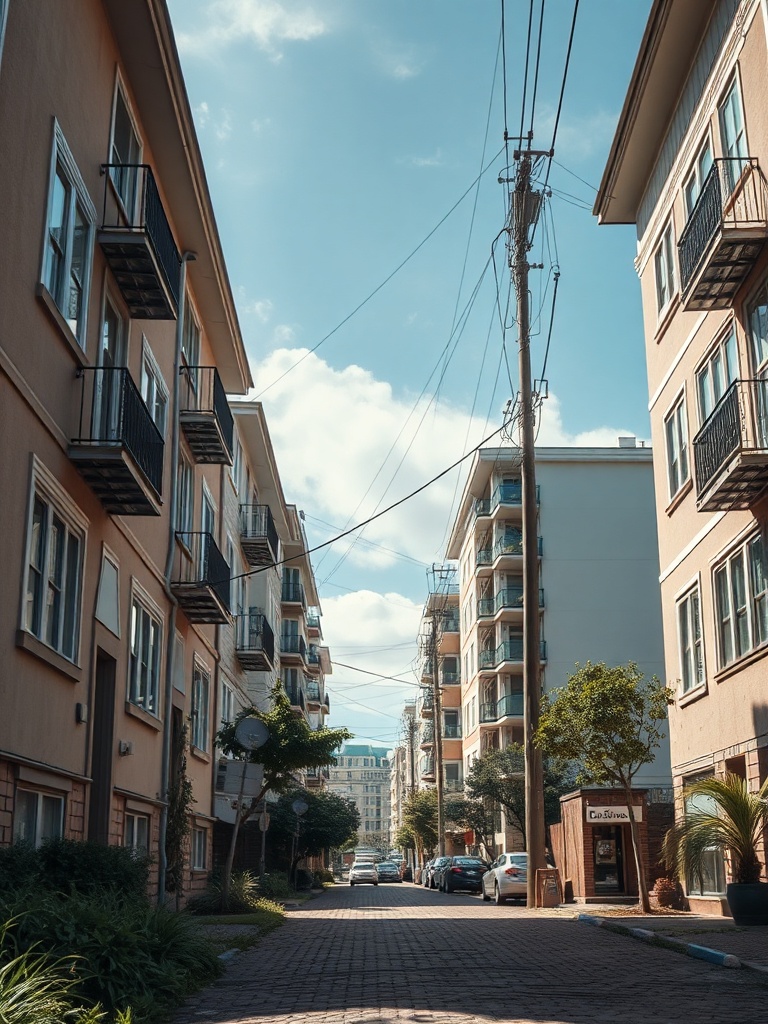
– Clean exterior surfaces: power-wash siding, walkways, and the driveway to make the property look cared for.
Declutter, depersonalize and stage
A neutral, spacious interior helps buyers visualize themselves living there.
– Declutter ruthlessly: remove excess furniture and personal items; aim for clean counters and open sightlines.
– Depersonalize: pack family photos, keepsakes, and bold artwork.
– Stage strategically: highlight main living areas, create a cozy master suite, and set a dining table. Consider virtual staging if budget is tight.
High-impact repairs and upgrades
Not every improvement pays off equally. Prioritize fixes that address buyer concerns and boost perceived value:
– Fresh paint: neutral colors refresh rooms and are inexpensive compared with their visual impact.
– Updated lighting and hardware: swapping outdated fixtures and cabinet pulls modernizes the space.
– Kitchen and baths: minor updates like new cabinet fronts, countertops, or reglazed tubs often recoup much of their cost.
– Flooring: replace worn carpet or refinish hardwood where needed.
– Energy and maintenance: ensure HVAC, roof, and windows are in good working order; energy-efficient upgrades appeal to many buyers.
Smart pricing strategy
Price attracts buyers. Overpricing leads to longer days on market and price reductions that can stigmatize a listing.
– Use comparable sales (comps) from nearby properties to set a realistic price range.
– Consider pricing slightly below the perceived value to generate more interest and possible multiple offers.
– Discuss market dynamics and buyer expectations with an experienced agent who can recommend adjustments as showings begin.
Marketing and showing tips
Visibility and presentation determine how many buyers see your property:
– Invest in professional photography and a well-crafted listing description highlighting key features and benefits.
– Offer virtual tours for remote buyers; many start their search online.
– Be flexible with showing times and keep the home tidy and neutral during peak showing hours.
Inspection, disclosures and transparency
Addressing known issues early reduces friction during negotiation:
– Consider a pre-listing inspection to identify repairs that could derail offers.
– Provide complete disclosures to build trust and speed up closing.
– Prioritize visible repairs that could be negotiation points, like leaks or structural concerns.
Negotiation and closing readiness
Know your priorities before receiving offers:
– Review contingencies and timelines—flexibility on possession or inspection windows can be decisive.
– Be prepared to respond quickly to offers and to provide documents like utility bills, warranties, and HOA information.
– Keep the home show-ready through closing to avoid last-minute snags.
A focused plan tailored to the property and local market consistently improves outcomes. Start with curb appeal and decluttering, make cost-effective updates, and partner with a knowledgeable agent to set the right price and marketing plan. Small investments in preparation often translate to faster sales and stronger offers.