Estate Wren · Property brief
Modern Property Management: Balancing PropTech, Tenant Experience, and Sustainability
How modern property management balances technology, tenant experience, and sustainability
Property management is evolving fast. Today’s renters and owners expect faster service, transparent communication, and greener, more efficient buildings.
Managers who combine smart technology with strong tenant relationships and practical sustainability measures reduce vacancy, control costs, and protect asset value.
Why technology matters
Property technology (PropTech) is more than a buzzword — it’s a toolkit for efficiency. Cloud-based property management software centralizes leases, accounting, maintenance requests, and tenant communication. Key benefits include:
– Automated rent collection and reminders to reduce late payments
– Real-time accounting and reporting for clearer financial oversight
– Self-service tenant portals that handle maintenance requests and document access
– Digital leases and e-signatures to speed move-ins and renewals
Layered tools such as smart locks for keyless entry, virtual tours for remote leasing, and IoT sensors for leak and HVAC monitoring cut operational friction and lower risk.
Data-driven insights from these systems can inform pricing, marketing, and preventive maintenance.
Prioritizing tenant experience
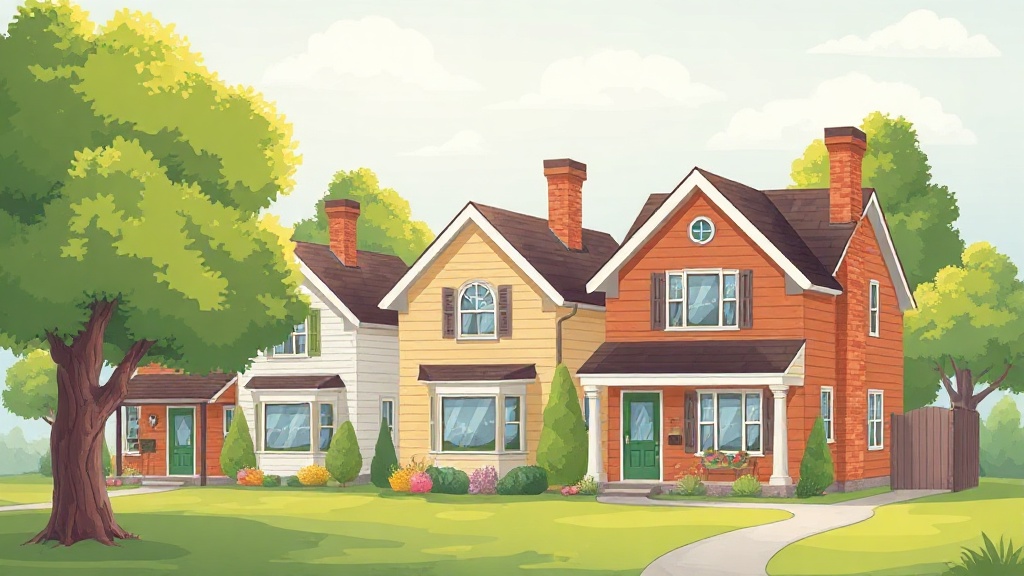
Tenant retention hinges on experience.
Responsive communication, fast repairs, and simple processes make residents more likely to renew.
Practical steps to improve experience:
– Offer a mobile-friendly tenant portal for payments, work orders, and notices
– Use clear move-in and move-out checklists with photos to avoid disputes
– Provide reliable, transparent timelines for repairs and upgrades
– Consider flexible lease options and conveniences like package lockers or co-working spaces
Personalized communication — segmented emails or SMS alerts based on move-in date, property type, or amenities — is more effective than one-size-fits-all messaging.
Preventive maintenance and cost control
Reactive maintenance is expensive.
A proactive program extends equipment lifespan and avoids emergency repairs. Build a maintenance calendar that includes seasonal checks for HVAC, roof, plumbing, and safety systems. Use a tiered approach:
– Daily/weekly: Common-area cleanliness, lighting, security checks
– Monthly/quarterly: HVAC filters, smoke/CO detector tests, pest control
– Annual: Roof inspection, exterior paint, major system servicing
Create a reserve fund policy to cover capital expenses and unexpected repairs. Regularly review vendor contracts to ensure competitive pricing and consistent service quality.
Sustainability as a value driver
Sustainability initiatives attract environmentally conscious tenants and reduce operating expenses. Low-cost upgrades often yield quick payback:
– Install LED lighting and programmable thermostats
– Upgrade to low-flow fixtures to save water
– Implement recycling and composting programs in common areas
– Explore utility benchmarking and energy audits to identify savings
For larger portfolios, consider energy-efficient equipment replacements and renewable energy options where feasible.
Communicating green initiatives in marketing materials can boost appeal and justify premium rents.
Compliance, data security, and risk management
Staying compliant with tenant-landlord laws and local regulations is non-negotiable. Maintain up-to-date lease templates and privacy policies. With growing digital reliance, protect tenant data through encrypted systems, strict access controls, and regular backups.
Make sure insurance coverage reflects actual risks — liability, property, and cyber insurance are essential.
Outsourcing vs.
in-house
Deciding between in-house staff and third-party vendors depends on scale and expertise. Outsourcing specialized tasks like major renovations, landscaping, or legal services often improves outcomes and controls costs, while in-house teams excel at tenant relations and routine maintenance.
Practical next steps
Start with an audit: review tenant satisfaction, service response times, maintenance backlogs, and energy usage. Prioritize quick wins that reduce operating costs and improve the resident experience.
Investing in the right tools and processes today positions a property for stronger returns and higher tenant loyalty tomorrow.