Estate Wren · Property brief
Maximize Your Home’s Value Before Selling: Staging, Smart Upgrades & Pricing Strategies
How to Maximize Your Home’s Value Before Selling
Preparing a property for sale can be the difference between a quick offer and months on the market. Buyers are looking for move-in-ready spaces, energy efficiency, and compelling online listings.
Focused improvements, smart marketing, and a realistic pricing strategy work together to boost perceived value and attract competitive offers.
Presentation: first impressions matter
Curb appeal sets buyer expectations. Simple updates—fresh paint for the front door, well-trimmed landscaping, clean walkways, and updated house numbers—create instant appeal. Inside, decluttering and deep cleaning transform spaces. Depersonalize by removing excessive family photos and unique décor so prospective buyers can envision themselves living there.
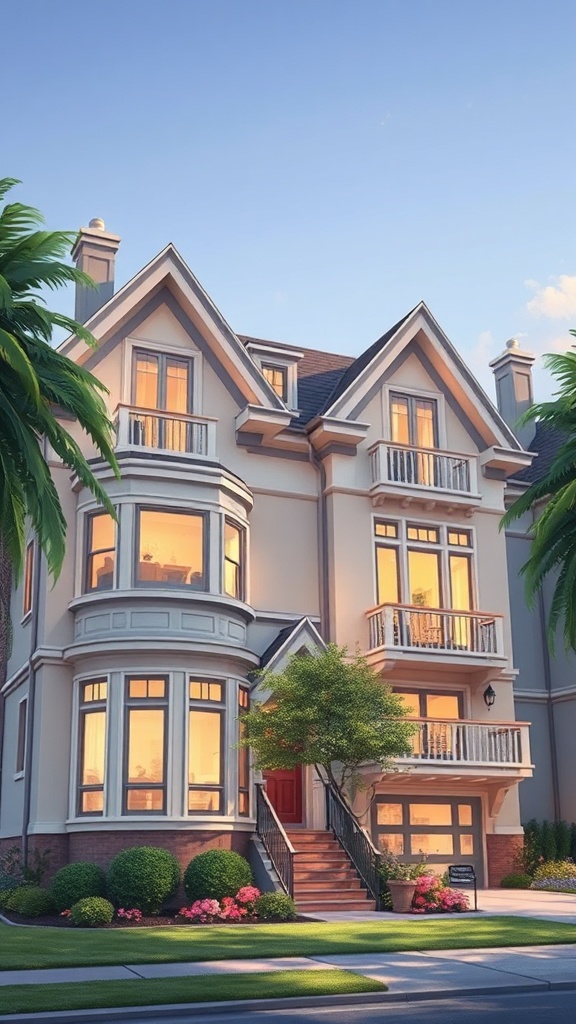
Staging for emotional impact
Staging highlights a home’s best features and makes rooms feel larger and more functional. Key staging principles:
– Define each room’s purpose; a spare room staged as a home office or nursery adds perceived utility.
– Use neutral colors and minimal accessories to create a calm, inviting atmosphere.
– Maximize natural light by removing heavy curtains and cleaning windows.
– Arrange furniture to emphasize flow and focal points, such as a fireplace or view.
Professional staging can pay for itself by shortening time on market and increasing offers, but many effective techniques are low-cost and DIY-friendly.
Smart improvements with strong ROI
Not all upgrades yield the same return. Prioritize projects that appeal to the broadest pool of buyers:
– Minor kitchen refreshes: new hardware, painted cabinets, and updated faucets can modernize the space without a full remodel.
– Bathroom updates: replacing outdated fixtures, regrouting tile, and modern lighting make a big visual difference.
– Energy-efficient improvements: sealing drafts, upgrading to programmable thermostats, and installing LED lighting appeal to cost- and eco-conscious buyers.
– Exterior maintenance: roof repairs, siding cleaning, and gutter maintenance reassure buyers about long-term upkeep.
Digital marketing that converts
Most buyers start online, so first impressions are made through photos and descriptions.
Invest in:
– Professional photography to showcase rooms, outdoor space, and natural light.
– Virtual tours or 3D walkthroughs to engage remote or time-constrained buyers.
– Compelling listing copy that highlights lifestyle benefits (proximity to transit, schools, outdoor spaces) rather than just features.
Leverage targeted social ads and well-crafted email campaigns to reach qualified buyers quickly.
Pricing strategy and negotiation
A realistic price based on a comparative market analysis attracts serious buyers and reduces negotiation hurdles. Consider pricing slightly below market to create multiple offers in high-demand areas, or price competitively to generate steady interest in more balanced markets. Be-ready negotiation tactics:
– Provide recent comparable sales and highlight upgrades with documentation.
– Offer flexible closing timelines or minor credits to accommodate buyer needs.
– Maintain a buffer for negotiation by setting a bottom-line price in advance.
Pre-inspections and transparency
Addressing obvious defects before listing can prevent surprises during the inspection process and strengthen buyer confidence. Sharing inspection reports and warranties for recent repairs builds trust and streamlines negotiations.
Selling a home combines thoughtful presentation, strategic improvements, and modern marketing. Aligning these elements with a smart pricing plan helps properties stand out and attracts buyers willing to pay for convenience and quality.