Estate Wren · Property brief
Maximize Home Value: Top Upgrades, Listing & Pricing Tips for Buyers, Sellers & Investors
The real estate landscape is shaped by a few steady forces: buyer expectations, technology, and the ongoing importance of location and condition. Whether you’re selling, buying, or investing, focusing on value-driving improvements and strategic marketing will give you the edge.
Why buyers care more than ever
Buyers are looking for move-in-ready homes that combine comfort, efficiency, and connectivity.
Remote and hybrid work patterns continue to influence demand for functional home offices and better broadband.
Energy costs and environmental awareness make energy-efficient features and low-maintenance materials more attractive. At the same time, digital-first shopping habits mean a property’s online presentation often determines whether it gets a showing.
High-impact upgrades that typically pay off
Not all renovations deliver equal returns.
Prioritize improvements that improve first impressions and reduce buyer uncertainty:
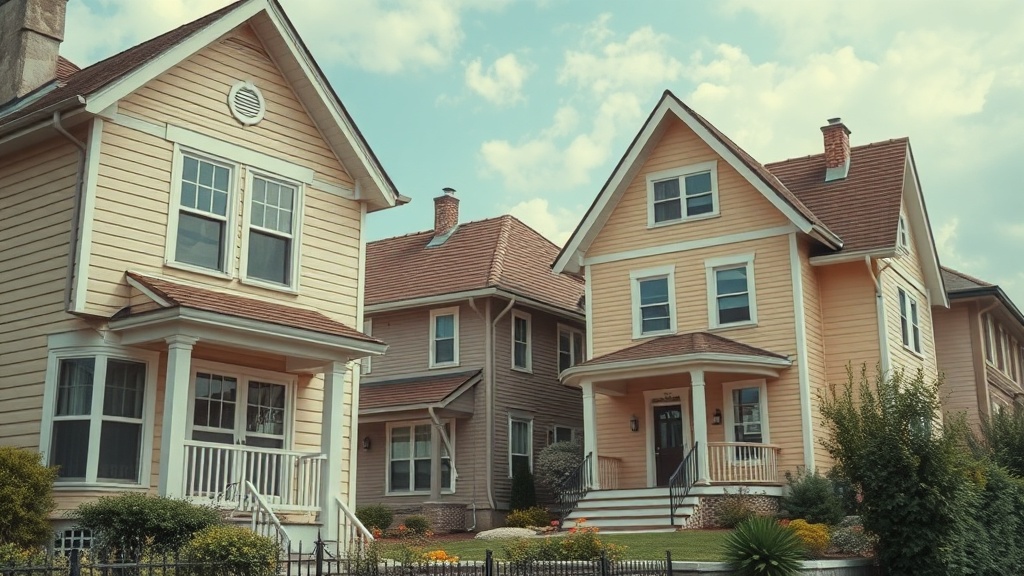
– Curb appeal: Fresh paint, trimmed landscaping, a new mailbox or front door hardware make an immediate impression.
– Kitchen updates: Modernizing cabinet fronts, replacing old hardware, and updating countertops or appliances often move the needle.
– Bathrooms: New fixtures, regrouting, and contemporary lighting add perceived value.
– Energy efficiency: Replacing old windows, adding insulation, or installing a programmable thermostat appeals to cost-conscious buyers.
– Smart home basics: A smart thermostat, smart locks, and good lighting control increase appeal without large expense.
– Maintenance and safety fixes: Roof, HVAC, and electrical issues scare buyers; fixing them reduces friction at inspection.
Marketing moves that attract attention
A strong listing combines high-quality visuals with clear, buyer-focused messaging. These elements are essential:
– Professional photos and virtual tours: Most buyers start online. Good visuals increase showings and perceived value.
– Accurate, benefit-driven descriptions: Highlight practical advantages—storage, commute times, school access, recent upgrades, and utility savings.
– Targeted online advertising: Use demographic and interest targeting to reach likely buyers, especially for niche properties (luxury, condos, family homes).
– Flexible showing options: Offering self-showing or extended viewing windows can increase exposure.
Pricing and negotiation strategy
Correct pricing is powerful.
Overpricing can hinder visibility and lead to price cuts that raise buyer suspicion; underpricing may spark bidding wars but sacrifices potential value. Use a comparative market analysis and consider:
– Pre-market inspections or repairs to reduce surprises
– Seller concessions strategically—covering inspections or certain closing costs can speed deals in tighter markets
– Contingency planning—be ready to respond to financing or appraisal issues
For investors and landlords
Rental demand remains concentrated where jobs, schools, and amenities align. Focus on cash flow and long-term appreciation:
– Know local rent trends and vacancy rates before buying
– Consider properties that need cosmetic improvements over structural work
– Implement energy-efficient upgrades to reduce operating costs and attract higher-quality tenants
– Maintain a reserves plan for unexpected maintenance to protect cash flow
Practical steps for sellers and buyers
– Sellers: Declutter, deep-clean, stage key rooms, and make small repairs that show care.
– Buyers: Get mortgage pre-approval to strengthen offers, commission a thorough inspection, and evaluate long-term running costs (utilities, taxes, HOA fees).
Real estate decisions still come down to fundamentals: location, condition, and presentation. By prioritizing high-impact improvements, crafting a strong online listing, and using a disciplined pricing strategy, sellers and investors can maximize returns while buyers find properties that meet both lifestyle needs and financial goals.