Estate Wren · Property brief
Luxury Real Estate Trends: What Buyers Want Now — Wellness, Smart Tech & Sustainable Design
Luxury real estate is evolving beyond square footage and ocean views. Buyers and investors now prioritize immersive lifestyles, long-term value, and tech-driven comfort. Understanding the features that define modern high-end homes helps buyers make smarter choices and sellers position properties to command premium prices.
What buyers want now
– Wellness-forward design: Home gyms, spa baths, air and water purification, circadian lighting, and dedicated meditation spaces are no longer niche. Wellness features appeal to health-conscious buyers and can enhance resale value.
– Seamless smart-home integration: Sophisticated automation—controlled lighting, climate, shading, security, and entertainment from a single platform—delivers convenience and luxury. Interoperability and privacy-forward systems are increasingly important.
– Sustainability and energy resilience: Net-zero aspirations, solar arrays, battery storage, high-performance insulation, and EV charging are major selling points.
Sustainable materials and certified construction practices attract eco-aware buyers and reduce operating costs.
– Indoor-outdoor fluidity: Large retractable doors, covered outdoor living rooms, kitchens, and private landscaping extend usable space and support entertaining lifestyles.
– Privacy and security: Gated entries, perimeter landscaping, secure parking, biometric access, and integrated surveillance systems provide peace of mind for high-profile residents.
– Bespoke amenities: Private theaters, wine cellars, art galleries, chef-grade kitchens, and resort-style pools create experiential value that distinguishes a property in competitive markets.
Design and material trends that age well
Timeless luxury depends on quality and restraint. Natural materials—stone, sustainably sourced wood, and high-performance glass—age gracefully. Neutral palettes paired with exceptional craftsmanship allow buyers to personalize without costly renovations. Built-in storage solutions and flexible layouts that adapt to remote work or multigenerational living add practical appeal.
Location and lifestyle considerations
Location remains king, but the definition of desirability is broadening. Coastal and urban strongholds still attract buyers seeking cultural access and views, while countryside estates and mountain homes appeal to those valuing privacy and outdoor recreation. Proximity to concierge services, boutique retail, and top healthcare facilities can tip decisions for affluent buyers.
Value drivers for sellers
To maximize returns, sellers should highlight features that matter to today’s buyers: certified energy systems, documented maintenance history, upgraded technology infrastructure, and a curated amenities package. Staging should emphasize how spaces support wellness, entertaining, and day-to-day comfort. Professional photography and immersive virtual tours that showcase indoor-outdoor connections and unique finishes are essential for a standout listing.
Investment angles and alternative models
Luxury real estate increasingly intersects with alternative ownership and lifestyle models. Fractional ownership lets buyers access second-home benefits without full ownership burdens.
Short-term rental strategies can generate income in resort markets, but regulatory and management complexities require careful planning. Long-term investors often favor properties with strong rental histories, low operating costs, and features that appeal to multiple buyer segments.
Working with specialists
Given the complexity of high-end transactions, engaging advisers who understand luxury markets pays dividends. Architects, interior designers, sustainability consultants, private bankers, and boutique brokers can coordinate to preserve value and streamline closing.
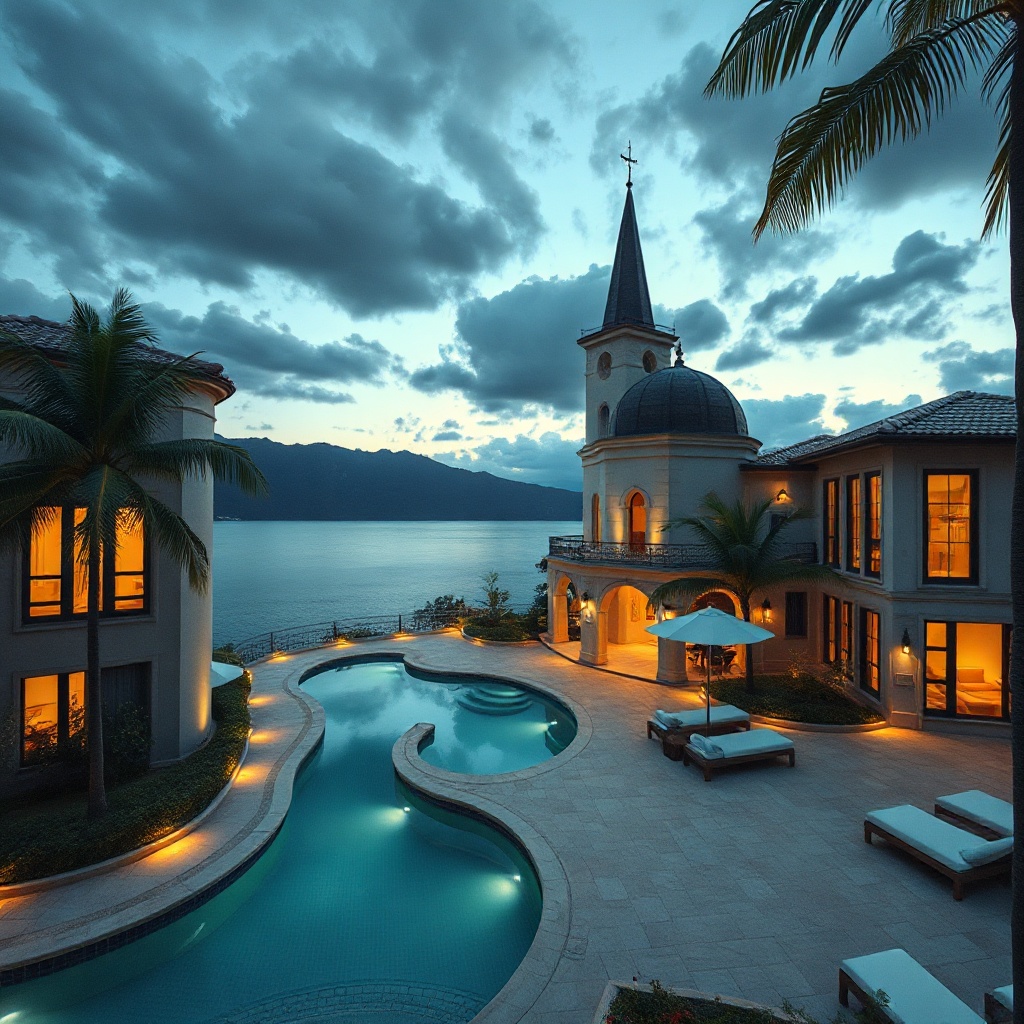
Choosing a property comes down to aligning the house with long-term lifestyle goals.
Whether seeking a serene private retreat, an urban penthouse with concierge services, or an eco-conscious estate, prioritize quality systems, adaptable spaces, and features that enhance daily life. Smart investments in technology, sustainability, and timeless design yield both enjoyment and enduring market appeal.