Estate Wren · Property brief
Hybrid Work Reshaping Real Estate: A Buyer & Seller Guide
Why hybrid work is reshaping real estate—and what buyers and sellers should do
Hybrid and remote work patterns have shifted what people want from a home. The demand for flexible, comfortable spaces has reshaped preferences across suburbs, mid-sized cities, and previously overlooked neighborhoods. Whether you’re buying, selling, or investing, understanding these shifts helps you make smarter decisions.
What buyers want now
– Dedicated home office: Not just a corner desk.
Buyers prioritize rooms with natural light, privacy, and wiring for high-speed internet.
– Flexible floor plans: Open layouts that can be reconfigured into work, study, or fitness zones score highly.
– Outdoor living: Private yards, patios, and easy access to walking trails support healthier routines and higher perceived value.
– Reliable connectivity: Fiber or strong service options are often a deciding factor—fast internet is as important as a good kitchen.
– Low-maintenance features: Durable surfaces, efficient HVAC, and smart-home systems appeal to busy households and remote workers.
How sellers can capitalize
– Showcase functionality: Stage a believable home office to help buyers visualize remote work without sacrificing the home’s overall flow.
– Highlight tech and utilities: List internet speeds, backup power options, and smart-home features in property descriptions.
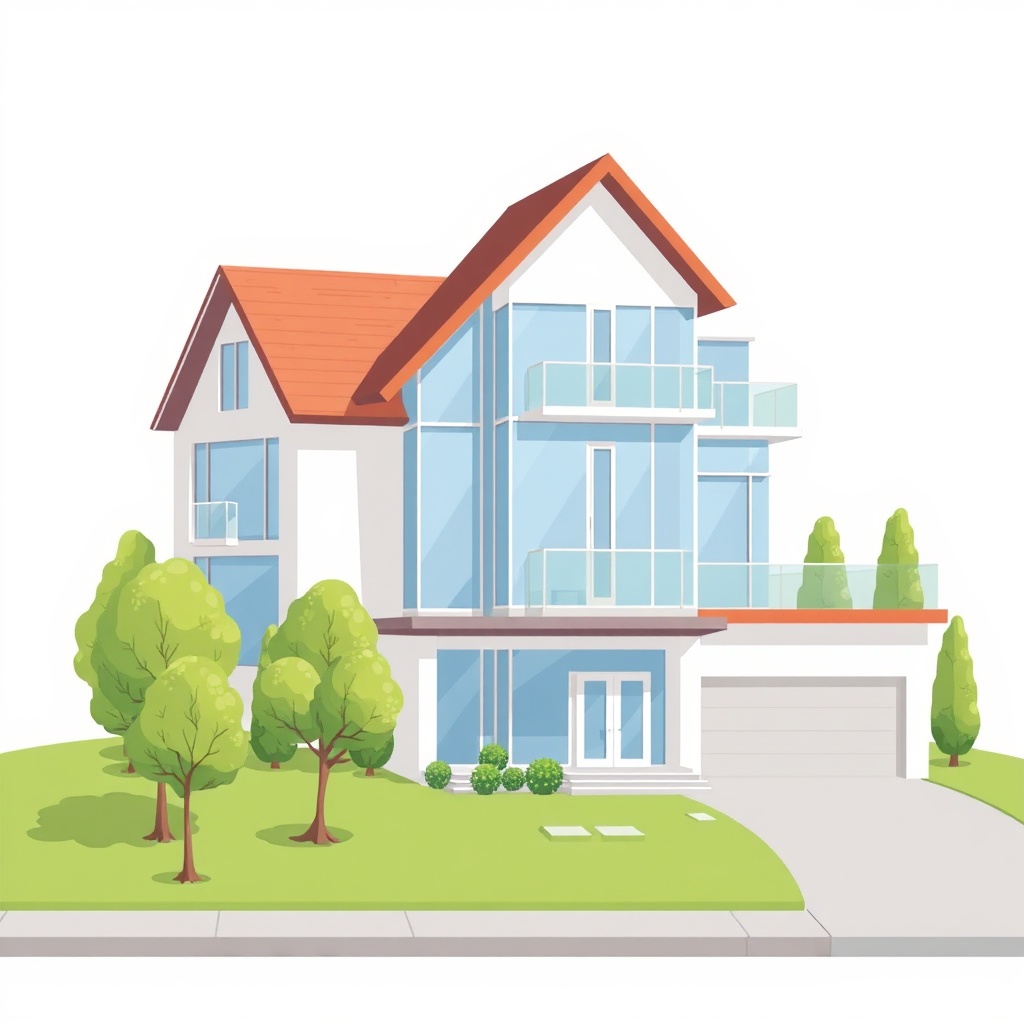
– Create flexible staging: Convert a spare room into a workspace for showings, and present multipurpose areas that demonstrate adaptability.
– Boost curb appeal and outdoor spaces: Small landscaping upgrades and clear outdoor furniture setups can increase buyer interest quickly.
– Use targeted listings: Emphasize proximity to amenities, commute times to major employment centers, and local lifestyle perks when marketing to hybrid professionals.
Investor perspective: why secondary markets matter
Demand is growing outside major urban cores as professionals prioritize space and affordability. Secondary markets can offer higher rental yields and lower entry prices. Key factors to evaluate:
– Job growth and economic diversification in the area
– Infrastructure investments—transit, broadband, and amenities
– Population trends and rental demand from remote-friendly industries
– Local regulations and property taxes that affect long-term returns
Practical tips for buyers and investors
– Prioritize connectivity: Confirm broadband options before committing—no home is truly remote-work ready without reliable internet.
– Plan for adaptability: Choose properties that can evolve as needs change—think convertible rooms and future-proof wiring.
– Work with local experts: An agent familiar with emerging demand patterns can identify properties with both lifestyle appeal and resale potential.
– Consider long-term costs: Energy-efficient upgrades, insulation, and modern windows reduce operating costs and attract eco-minded buyers and renters.
– Shop financing smartly: Compare lenders, understand loan options, and prepare documentation to move quickly when you find the right property.
Design touches that sell
Small investments often yield big results. Add soundproofing to a home office, upgrade to LED lighting, install built-in storage, and use neutral yet warm staging to allow buyers to imagine their routines. Professional photos that show both work and leisure spaces will increase online engagement.
The market is adapting to how people live and work. Homes that combine comfort, connectivity, and flexibility stand out. Whether you’re updating to sell, searching for a purchase that supports hybrid life, or evaluating investment opportunities, focusing on adaptability and amenities will keep your strategy aligned with buyer priorities.