Estate Wren · Property brief
Hybrid Work Reshapes Real Estate: What Buyers, Sellers, Landlords & Investors Need to Know
Hybrid work is changing how people live, commute, and choose property. The shift toward flexible schedules and remote days has durable effects across residential and commercial real estate. Understanding those effects helps buyers, sellers, landlords, and investors make smarter decisions and capture value as preferences evolve.
What buyers want now
– Dedicated workspace: A room or nook that supports full-day productivity commands a premium. Look for natural light, separation from high-traffic areas, and space for ergonomic furniture.
– Connectivity: Reliable high-speed internet is essential. Listings that highlight fiber, gigabit capability, or recent router upgrades attract more attention.
– Flexible floor plans: Homes that can convert bedrooms into offices or combine living spaces for hybrid uses are more marketable.
– Commute alternatives: Proximity to reliable transit, bike lanes, and car-share hubs matters for those balancing in-office days and remote work.
How sellers can stand out
– Stage a home office: Showcase a properly lit, organized workspace rather than leaving it blank. Buyers mentally map how they’ll use space, and a staged office sells that vision.
– Emphasize technology and comfort: Call out broadband speeds, smart thermostats, soundproofing, and dedicated UPS/power solutions for work equipment.
– Highlight lifestyle benefits: Walkability, nearby cafes, parks, and flexible work-friendly amenities add perceived value for hybrid workers.
What landlords and property managers should prioritize
– Flexible leases and coworking options: Shorter-term leases, on-site shared offices, and bookable meeting rooms appeal to tenants who combine remote and onsite weeks.
– Tenant experience: Concierge services, mail/package handling for e-commerce returns, and community programming increase retention.
– Building tech and sustainability: Contactless access, high-quality HVAC, indoor air quality monitoring, and energy-efficient upgrades resonate with health- and cost-conscious tenants.
Opportunities for investors
– Adaptive reuse: Converting underused office space into residential, mixed-use, or creative work hubs can unlock higher income streams in markets with housing shortages.
– Multifamily and mixed-use: Properties that combine living, work, and retail functions benefit from diversified revenue and higher occupancy.
– Secondary and mid-sized markets: As mobility increases, smaller cities with lower costs and quality-of-life advantages attract remote workers seeking space and affordability.
Simple upgrades that add value
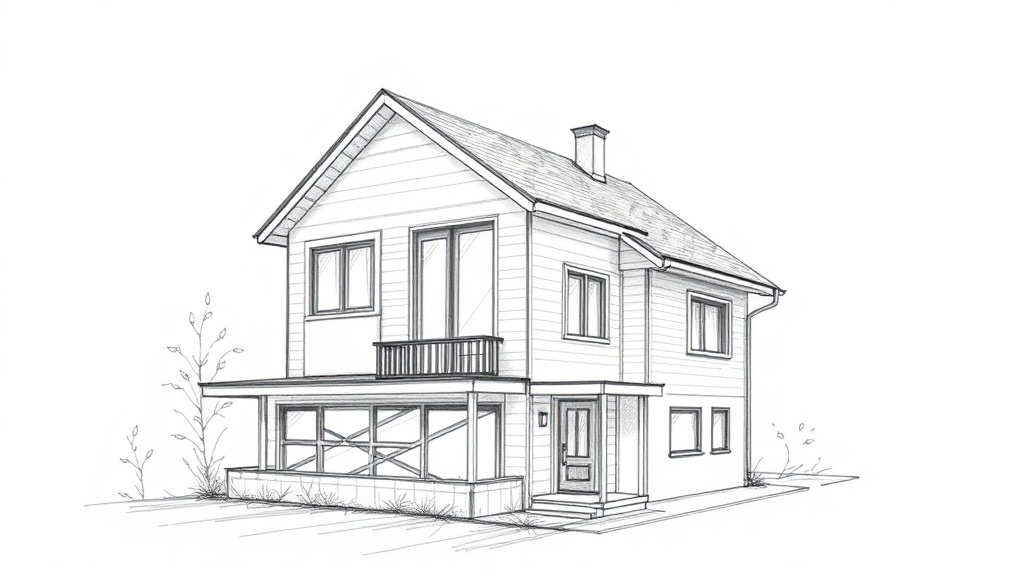
– Improve broadband and backup power options
– Create a sound-isolated workspace or add acoustic panels
– Add or modernize outdoor living areas for hybrid work breaks
– Install smart home tech that supports remote control and energy savings
– Offer EV charging or prewire for future chargers
Pricing and valuation considerations
Hybrid work patterns influence how space is valued.
Properties with flexible layouts, strong connectivity, and access to local amenities often achieve rent premiums and faster sales. Conversely, large single-purpose office footprints may face downward pressure unless repurposed creatively.
Takeaway
Real estate that anticipates flexibility—spaces that adapt to work-from-anywhere lifestyles, provide technology and comfort, and connect to neighborhood amenities—will remain in demand. Whether buying, selling, leasing, or investing, focusing on adaptability and occupant experience helps future-proof assets and capture evolving market preferences.