Estate Wren · Property brief
Hybrid Work Is Reshaping Residential Real Estate: What Buyers and Sellers Should Do
How Hybrid Work Is Reshaping Residential Real Estate—and What Buyers and Sellers Should Do About It
Hybrid work has shifted priorities for many homeowners and buyers, and those shifts are changing how properties are bought, sold, and valued.
Understanding these trends can help sellers maximize appeal and buyers find homes that suit a flexible lifestyle.
What buyers want now
– Dedicated workspace: A quiet, well-lit room that can serve as a permanent home office is a top priority. Properties with built-in desks, extra outlets, and good natural light stand out.
– Flexible floorplans: Open layouts that can be adapted for privacy or collaboration appeal to hybrid workers who need space for different activities throughout the day.
– Strong connectivity: Reliable high-speed internet and cellular coverage are non-negotiable.
Homes with mesh Wi-Fi systems or documented broadband speeds attract attention.
– Lifestyle amenities: Proximity to parks, recreational options, local coffee shops, and short commutes for occasional office days matter more than ever. Outdoor space is a major selling point for anyone balancing remote work with relaxation.
– Multifunctional storage: Built-in shelving, storage nooks, and organization systems help maintain separation between work and living areas.
How sellers can adapt to demand
– Stage a workspace: If a spare room exists, stage it as an attractive home office with a neutral desk, ergonomic chair, good lighting, and minimal clutter. Virtual tours should highlight this room.
– Upgrade connectivity: If possible, add or document high-speed internet service. Offering a simple connectivity report or showing a mesh router setup can reassure buyers.
– Enhance privacy features: Install upgraded window treatments, soundproofing solutions (like door sweeps or area rugs), or double-pane windows to reduce noise—features that appeal to remote workers.
– Focus on curb appeal and outdoor living: Clean landscaping, comfortable patio space, and outdoor lighting extend living space and create a better work-life balance impression.
– Highlight commute flexibility: Provide clear information about public transit options, typical commute times to nearby employment centers, and alternative routes for occasional office days.
Financing and valuation considerations
While financing climates fluctuate, the key is being prepared. Buyers should get pre-approved and understand how different mortgage options affect monthly payments.
Sellers should work with local agents to price homes based on comparable sales that reflect hybrid-work preferences—properties with dedicated offices, flexible layouts, and outdoor amenities may command a premium.
Neighborhood selection matters
Hybrid work enables more geographic freedom, making neighborhood lifestyle a priority.
Buyers often trade longer commutes for better schools, more space, or a vibrant local scene. Research walkability, access to amenities, and long-term development plans to choose a neighborhood that supports both work and life.
Technology and virtual touring
High-quality photos, 3D virtual tours, and well-edited video walkthroughs let buyers experience homes remotely. Sellers should invest in professional visuals and ensure virtual tours highlight connectivity features, workspace options, and natural light.
Practical next steps
– Buyers: Prioritize properties with flexible rooms and verify internet speeds before making an offer.
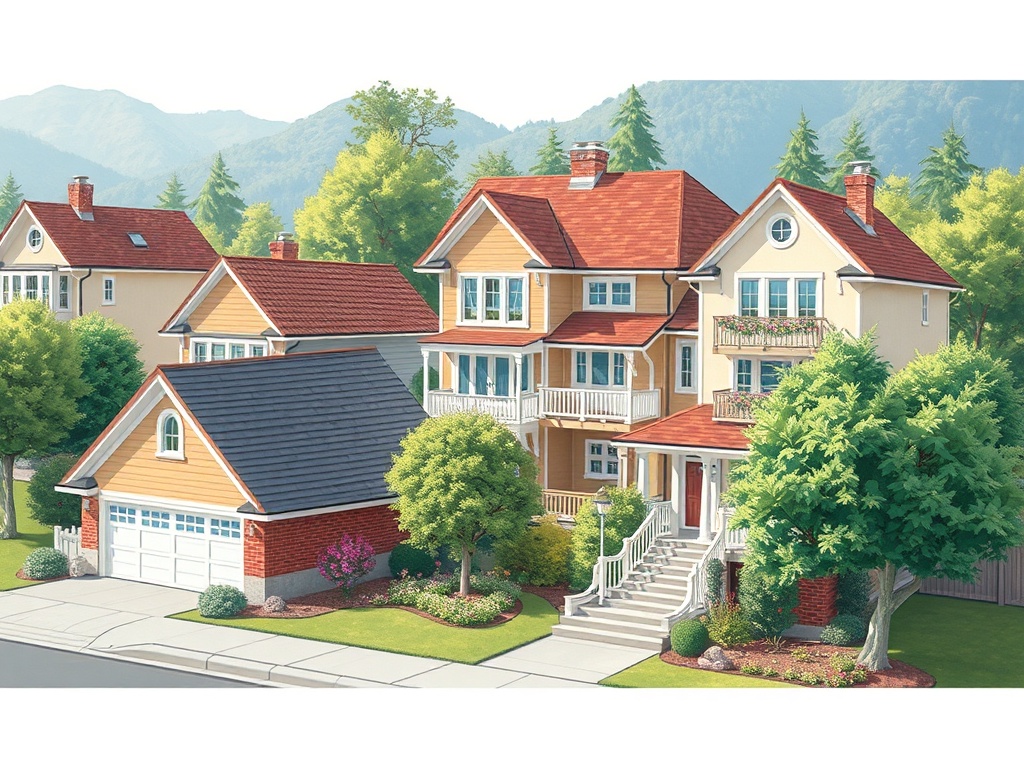
Consider long-term resale by focusing on timeless design and durable finishes.
– Sellers: Stage a believable home office, document connectivity, and optimize listings with clear descriptions that speak to hybrid workers’ needs.
Hybrid work is here to stay for many, and housing that supports flexibility, privacy, and connection will continue to be in demand. Aligning property features with that lifestyle is the smartest strategy for both buyers and sellers navigating the evolving market.