Estate Wren · Property brief
How Remote Work, Technology, and Sustainability Are Reshaping Real Estate: A Guide for Buyers, Sellers & Investors
How remote work, technology, and sustainability are reshaping real estate
The real estate landscape continues to evolve as lifestyle shifts, technology, and sustainability preferences influence where and how people buy, sell, and invest. Understanding these drivers helps buyers, sellers, and investors make smarter decisions that align with long-term value.
Remote work and changing location priorities
Remote and hybrid work models broaden acceptable commuting distances and shift demand toward homes with dedicated office space, reliable connectivity, and comfortable indoor-outdoor transitions. Suburban and smaller-city markets often attract buyers seeking more square footage and green space, while urban buyers increasingly prioritize walkability, mixed-use neighborhoods, and access to services.
What to watch for
– Flexible floor plans and rooms that can double as offices add resale appeal.
– High-speed internet availability and cellular coverage are now core listing features.
– Proximity to amenities like parks, grocery stores, and co-working hubs can boost desirability even outside major metro cores.
Technology streamlines transactions and marketing
Digital tools accelerate every stage of a transaction. Virtual tours and 3D walkthroughs let buyers evaluate properties remotely; e-signatures and secure document platforms simplify closings; and programmable marketing, including targeted social ads and listing syndication, expands reach. Sellers who invest in quality photography and virtual staging often shorten time on market and increase perceived value.
Practical tips
– Offer a virtual tour for out-of-area buyers and include floor plans in listings.
– Use local SEO in listing descriptions: mention neighborhood features, transit access, and lifestyle keywords buyers search for.
– Agents should maintain an active online presence with timely responses and up-to-date listings.
Sustainability and energy efficiency as value drivers
Buyers increasingly consider energy costs and environmental impact when choosing a home. Improvements that reduce utility bills and carbon footprint—such as upgraded insulation, efficient HVAC systems, smart thermostats, and renewable energy installations—can make a property stand out and justify higher asking prices.
Cost-effective upgrades
– LED lighting, programmable thermostats, and low-flow fixtures deliver quick payback and market appeal.
– Simple sealing and insulation tasks improve comfort and lower energy bills.
– Highlight utility savings and any green certifications in marketing materials.
Design and staging that sell
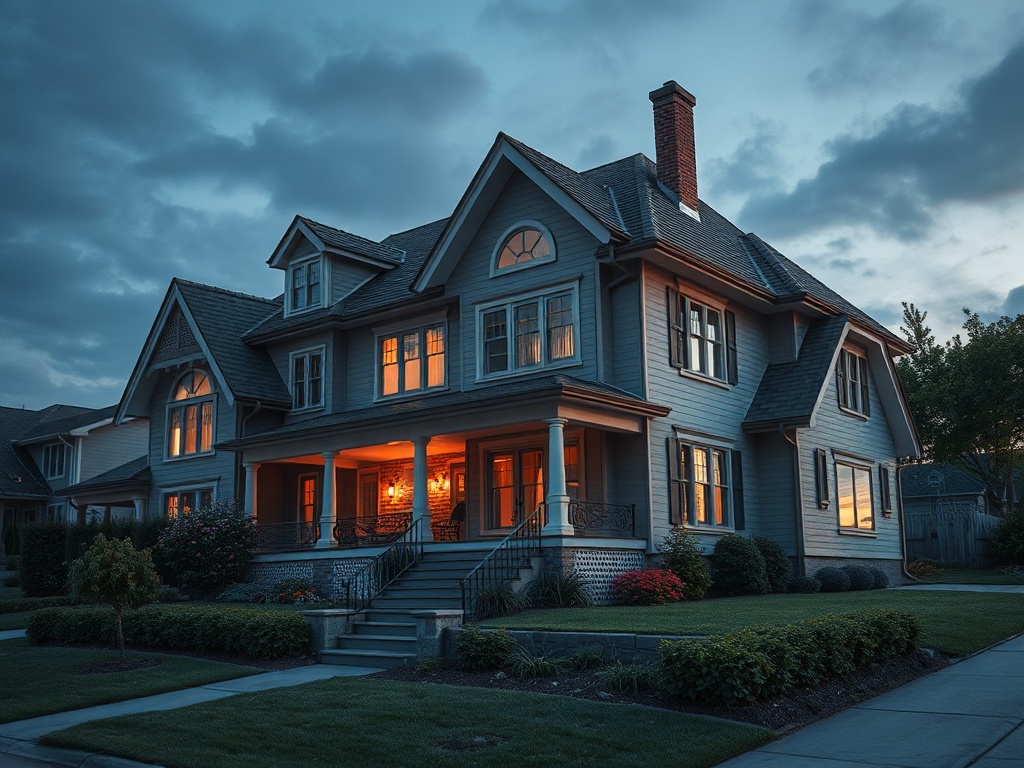
Neutral, decluttered spaces photograph best and help buyers imagine their lives in a property. Staging that emphasizes functionality—work nooks, storage solutions, and flexible living spaces—addresses current buyer priorities. Curb appeal matters: fresh landscaping, clean entryways, and well-maintained exteriors create strong first impressions.
Financing and risk management
Mortgage availability and lending standards shape buyer purchasing power. Buyers should get pre-approved to understand budget limits and show sellers they’re serious. Sellers benefit from flexible closing timelines and transparency about property condition to reduce renegotiation risk.
Advice for different players
– Buyers: Prioritize must-haves (connectivity, layout) and keep renovation budgets realistic. Factor in long-term operating costs.
– Sellers: Invest in cosmetic fixes and highlight energy-saving features and digital assets (virtual tours, floor plans).
– Investors: Monitor local demand drivers—job growth, infrastructure projects, and zoning—that influence long-term appreciation.
The takeaway
Shifts in how people work and live, together with technology and sustainability trends, have made functionality, connectivity, and efficiency key determinants of property value.
Whether buying, selling, or investing, aligning property features and marketing with these priorities improves outcomes and positions assets for lasting appeal.