Estate Wren · Property brief
How Remote Work Is Reshaping Real Estate: A Practical Guide for Buyers, Sellers, and Investors
How Remote Work Is Reshaping Real Estate: What Buyers, Sellers, and Investors Need to Know
Remote work has shifted more than where people log in each day — it’s reshaping housing demand, neighborhood dynamics, and property values. Understanding these changes helps buyers make smarter choices, sellers maximize appeal, and investors spot opportunities where supply and demand are evolving.
Why housing preferences are changing
With greater flexibility around where people work, priorities have moved beyond commute time.
Homebuyers now prioritize space, comfort, and amenities that support a flexible lifestyle.
That means dedicated home offices, reliable internet, outdoor space, and multi-use rooms rank highly.
Neighborhood features such as local cafés, walkable retail, and access to parks or co-working hubs also influence desirability.
What buyers should focus on
– Functional layouts: Look for floor plans that can accommodate a quiet workspace separate from living areas. Nooks, dens, or spare bedrooms convertible to offices add long-term value.
– Connectivity: Ask about internet speeds and infrastructure.
Fiber or high-capacity broadband is a selling point in many markets.
– Outdoor and wellness features: Private outdoor space, natural light, and nearby green space enhance livability and resale potential.
– Flexibility: Properties with room for expansion or adaptable layouts allow for future changes in household needs.
– Local services: Consider proximity to healthcare, grocery options, and co-working facilities that support a hybrid life.
How sellers can market properties for the remote-work era
– Stage the home office: Even a small, well-lit workspace staged as a dedicated office helps buyers imagine working comfortably at home.
– Highlight technical infrastructure: Include details about internet providers, upload/download speeds, and any smart-home tech.
– Promote lifestyle amenities: Emphasize outdoor areas, nearby parks, walking paths, and community perks.
– Use virtual tools: High-quality virtual tours and floor plans let remote buyers assess a home’s suitability without an in-person visit.
– Price strategically: Properties offering desirable work-from-home features often command a premium, but pricing should reflect local comparables and market dynamics.
Investor considerations
Investors can capitalize on shifting preferences by targeting properties and neighborhoods that match evolving demand:
– Suburban and exurban opportunities: Markets with more space and lower price points can attract remote workers seeking roomier homes.
– Multi-family and flexible-use spaces: Buildings that offer private work nooks, business centers, or rentable office suites can stand out to long-term renters.
– Short-term rental staging: For short-term rentals, offering dedicated workspaces and reliable internet increases appeal to remote travelers.
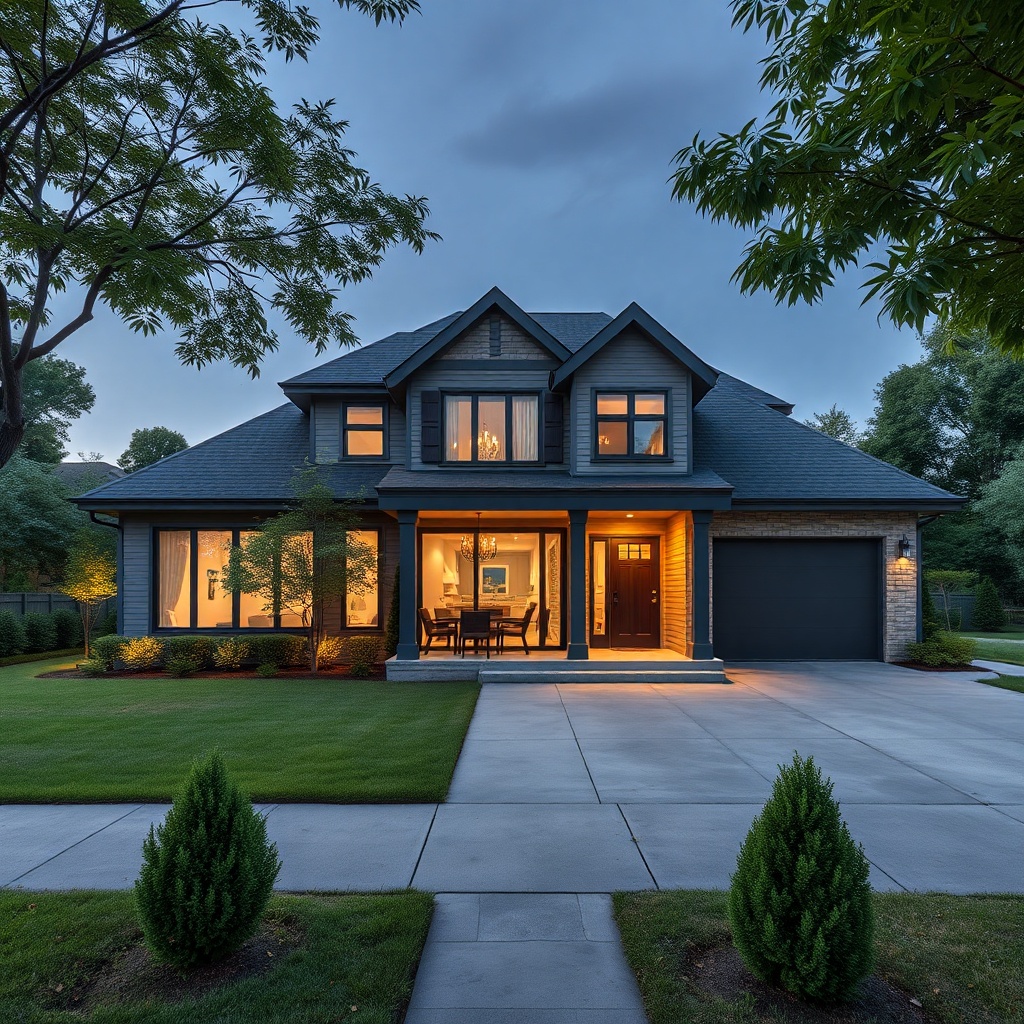
– Retrofit potential: Older properties that can be converted to include home-office space or upgraded connectivity present value-add prospects.
Neighborhood and community effects
Remote work is influencing urban planning and retail. Local businesses that cater to remote workers — cafés with reliable Wi-Fi, co-working spaces, and neighborhood amenities — can boost a district’s attractiveness. Communities that invest in parks, pedestrian infrastructure, and digital connectivity often see sustained demand.
Practical next steps
Whether buying, selling, or investing, start by assessing how well a property supports flexible work. Prioritize connectivity, adaptable layouts, and lifestyle amenities. For sellers, small upgrades like enhanced lighting, ergonomic workspace staging, and clear documentation of internet capabilities can increase interest. For investors, focus on markets where amenities and infrastructure align with remote-worker preferences.
Real estate is responding to new patterns of work and life. Homes that accommodate flexibility, comfort, and connectivity are positioned to retain value and command attention in a market where lifestyle matters more than ever.