Estate Wren · Property brief
How Remote Work Is Redefining Real Estate: Home Offices, High‑Speed Internet & Flexible Spaces
Remote work has permanently shifted what buyers and renters look for in a home. The focus has moved beyond square footage and school districts to include functional workspaces, connectivity, and lifestyle flexibility. Whether you’re buying, selling, or investing, understanding these priorities can unlock better decisions and higher returns.
What buyers want now
– Dedicated home office: A private, quiet room with a door ranks high.
Buyers prefer spaces that can easily double as meeting rooms or creative studios.
– Reliable high-speed internet: Fiber or a strong broadband signal is often a dealmaker. Properties with verified upload/download speeds are more attractive to remote workers.
– Flexible floor plans: Open layouts that can be adapted into separate work and living zones are popular. Buyers seek homes that accommodate changing needs without costly renovations.
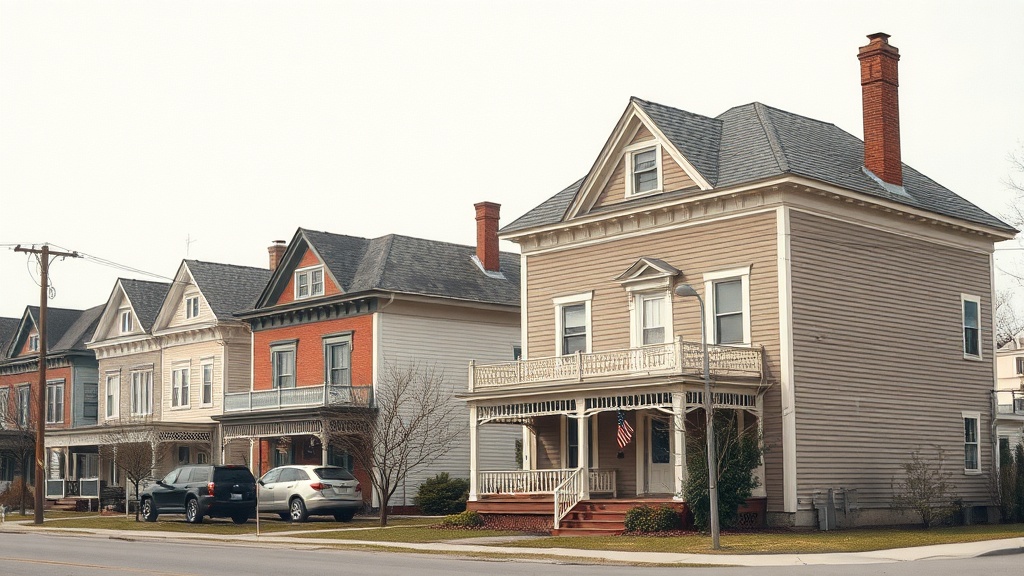
– Outdoor space: Private yards, balconies, or even easy-access community green space provide mental breaks and outdoor meetings.
– Proximity to amenities: With commutes shrinking, proximity to parks, cafes, gyms, and grocery stores matters more than previously.
How sellers can capitalize
– Stage a functional office: Turn an extra bedroom or nook into a staged workspace to help buyers visualize its use. Include a quality desk, ergonomic chair, and task lighting.
– Highlight connectivity: List actual internet speeds, router locations, and recent upgrades. Consider a professional connectivity test and include results in the listing.
– Showcase versatility: Use listing descriptions and photos to show multi-purpose rooms — guest room by night, office by day. Virtual tours can emphasize flow between work and leisure zones.
– Upgrade small but impactful features: Soundproofing, blackout blinds, and extra power outlets are inexpensive and appealing changes for remote workers.
Investment opportunities to consider
– ADUs and rental flexibility: Accessory dwelling units, converted garages, or basement suites can create rental income or provide multi-generational living options.
Check local zoning and permit requirements before planning conversions.
– Co-living conversions: Properties that can be adapted into several private bedrooms with shared common areas can perform well in high-demand rental markets that attract freelancers and contractors.
– Tech-enabled rentals: Smart locks, strong Wi-Fi, and dedicated workstations increase nightly and monthly rental rates for short-term and long-term stays.
Financing and appraisal considerations
Lenders increasingly accept remote income, but documentation matters.
Provide employment verification, bank statements showing consistent deposits, and a letter from an employer if necessary. For appraisals, emphasize features that reflect modern working life — a finished office, strong internet infrastructure, and energy-efficient upgrades can influence perceived value.
Design and renovation ideas that add value
– Install built-in shelving and a recessed desk area to maximize small spaces.
– Invest in good lighting: layered lighting with task and ambient options improves productivity and staging appeal.
– Add sound treatments like acoustic panels or heavier interior doors to reduce noise.
– Prioritize energy-efficient HVAC and insulation, which appeal to eco-conscious buyers and lower operating costs.
Neighborhood dynamics to watch
Remote work has also reshaped neighborhood desirability. Walkability, local amenities, and community spaces have gained importance. Transit-oriented locations still matter for those who keep hybrid schedules, but many buyers now balance commute time with access to lifestyle amenities.
By aligning listings, renovations, and investment strategies with the needs of remote and hybrid workers, stakeholders across the market can capture demand and maximize property value. Focus on flexibility, connectivity, and quality-of-life features to stay competitive in today’s real estate environment.