Estate Wren · Property brief
How Hybrid Work Is Reshaping Residential Real Estate: What Buyers, Sellers, and Investors Need to Know
How hybrid work is reshaping residential real estate: what buyers, sellers, and investors should know
The rise of hybrid and remote work has shifted priorities for homeowners, buyers, and investors. As schedules become more flexible, location and home design are evolving from strict commute-driven choices to lifestyle-driven decisions. Understanding these trends can help you buy smarter, sell faster, and make better investment choices.
Shifting buyer priorities
– Home office space: A quiet, dedicated workspace ranks high on wish lists.
Buyers look for spare rooms, converted dens, or larger-than-average closets that can be turned into functional offices.
– Flexibility and layout: Open floor plans that allow adaptable zoning (work, play, rest) appeal to modern buyers. Spaces that can serve multiple purposes increase perceived value.
– Outdoor access: Private outdoor spaces like patios, balconies, or backyards are in demand for breaks, meetings, and family time.
– Proximity to amenities: Walkability, nearby parks, and local cafes matter more as people mix home and neighborhood routines instead of commuting to centralized offices.
Neighborhood changes to watch
– Suburban revival with urban conveniences: Suburbs are attracting residents seeking more space while still valuing access to restaurants, cultural venues, and transit options. Mixed-use developments are gaining traction.
– Micro-urbanization: Small cities and towns with good internet infrastructure and quality-of-life amenities are becoming hotspots for buyers who prioritize affordability and community.
– Transportation: While long daily commutes may be less common, access to highways, airports, and occasional transit options still influences property desirability.
Design and features that add value
– Tech and connectivity: Reliable high-speed internet, pre-wired networking, and smart home hubs are increasingly expected. Homes marketed as “tech-ready” stand out.
– Energy efficiency: Insulation, efficient HVAC, solar-ready roofs, and smart thermostats reduce operating costs and appeal to eco-conscious buyers.
– Flexible rooms: Rooms designed with built-in storage, soundproofing, or flexible partitioning increase adaptability and market appeal.
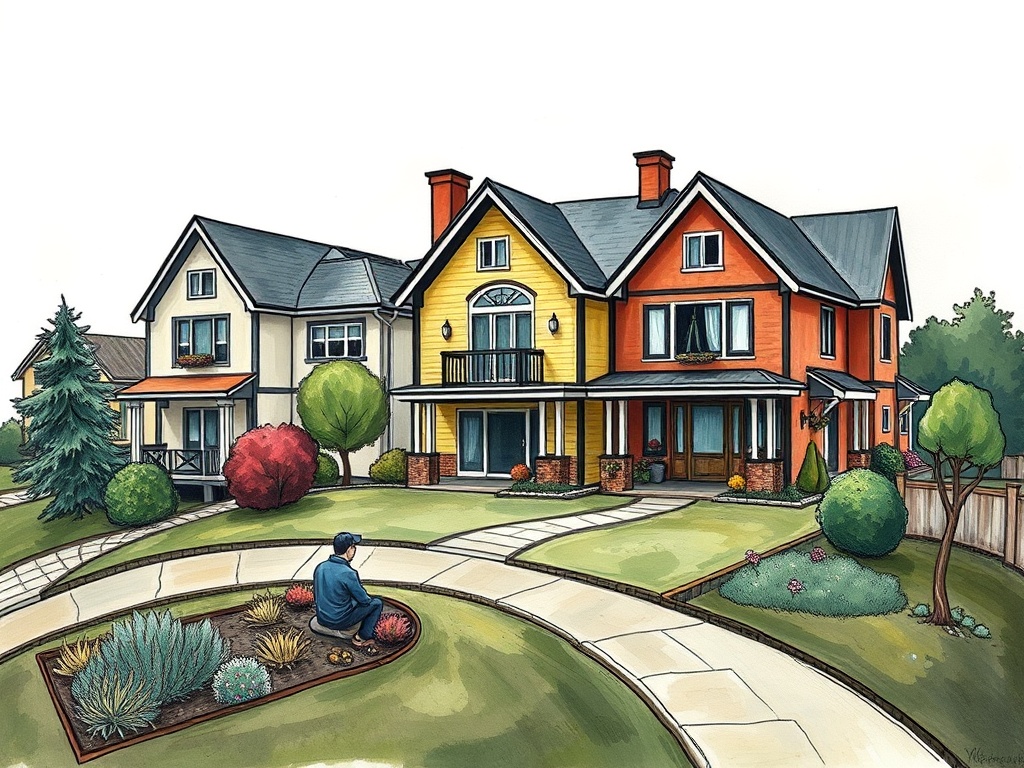
– Low-maintenance landscaping: Drought-tolerant plants and hardscaping reduce upkeep—a selling point for busy professionals.
Practical tips for sellers
– Stage for work-life balance: Create a staged home office to showcase how a room can function as a productive workspace.
Highlight natural light and internet access.
– Update connectivity: If the home lacks modern wiring or reliable internet options, consider adding an Ethernet port or a mesh Wi-Fi system before listing.
– Emphasize neighborhood benefits: When marketing, highlight nearby coffee shops, coworking options, parks, and community events that support a hybrid lifestyle.
– Small upgrades, big impact: Fresh paint, energy-efficient lighting, and decluttered, flexible spaces often yield strong returns relative to cost.
Considerations for investors
– Diversify by property type: Single-family homes, short-term rentals, and professionally managed multi-family units all respond differently to hybrid work trends—diversification can manage risk.
– Long-term demand drivers: Focus on properties in areas with stable broadband access, good schools, and diversified local economies. These factors support rental demand and resale value.
– Renovation ROI: Prioritize improvements that enhance flexibility—adding a dedicated office, improving connectivity, and upgrading kitchens and baths.
The real estate market is adapting to a more fluid work environment, and buyers, sellers, and investors who understand the new priorities can capitalize on shifting preferences.
Emphasizing flexibility, connectivity, and lifestyle amenities will position properties to meet the evolving demands of modern living.