Estate Wren · Property brief
How Home Values Are Shaped: 10 Smart Ways Homeowners Can Protect and Grow Equity
How Home Values Are Shaped — and What Owners Can Do to Protect Them
Home value depends on more than square footage. Buyers and appraisers look at a blend of tangible features, neighborhood dynamics, and broader market forces. Understanding these drivers helps owners make smart upgrades and avoid common pitfalls that erode equity.
Key drivers of property value
– Location and neighborhood quality: Proximity to good schools, transit, parks, and shopping consistently influences desirability.
Walkability and a low-crime profile also boost appeal.
– Supply and demand: Local inventory levels and buyer interest determine pricing pressure. Tight supply often lifts values; abundant listings tend to cool them.
– Interest rates and lending conditions: Mortgage availability and borrowing costs shape buyer budgets and market momentum.
– Condition and maintenance: Properties that are well-maintained and move-in ready command higher prices and attract more competitive offers.
– Functional layout and usable space: Open floor plans, sufficient bedrooms and bathrooms for comparable homes, and usable outdoor areas matter to buyers.
– Energy efficiency and resilience: Upgrades that lower utility costs or reduce climate risk—like improved insulation, efficient HVAC, and flood mitigation—are increasingly valued.
– Comparable sales and recent appraisals: Appraisers rely on nearby sold properties with similar features. Regularly tracking local comps gives a realistic sense of value.
Cost-effective improvements that typically raise value
– Fresh paint: Neutral, modern paint inside and out gives an immediate impression of care and can recoup its cost at sale.
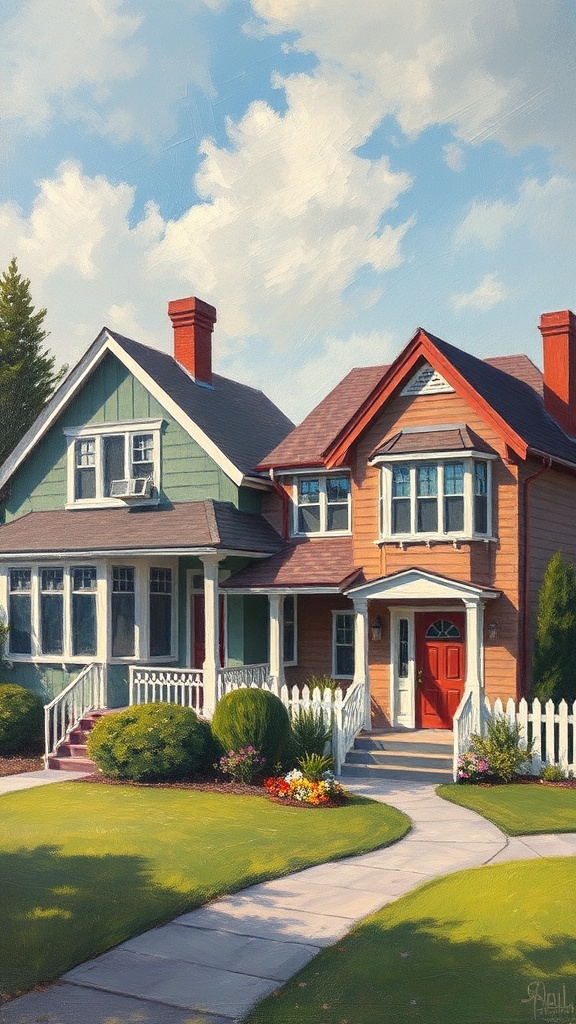
– Landscaping and curb appeal: Tidy lawns, trimmed hedges, and simple plantings improve first impressions and can deliver strong returns.
– Kitchen and bath updates: Modernizing hardware, lighting, and surfaces often yields a higher return than full-scale remodels. Target visible, high-impact elements like countertops and faucets.
– Flooring upgrades: Replacing worn carpet or refinishing hardwood can transform rooms without excessive expense.
– Energy and smart-home upgrades: Adding a programmable thermostat, LED lighting, and energy-efficient appliances appeals to cost-conscious buyers and can be promoted in listings.
– Small structural fixes: Addressing roof leaks, foundation cracks, and outdated electrical systems prevents appraisal issues and buyer renegotiation.
What to avoid
– Over-improving for the neighborhood: A high-end renovation in an area of modest homes may not translate into proportional value.
– Cosmetic-only fixes without addressing systems: Great paint and staging can attract buyers, but appraisals may still be limited by underlying mechanical issues.
– Ignoring permits and disclosures: Unpermitted work can delay closings and reduce trust. Proper documentation protects value.
Preparing for sale: appraisal and pricing strategy
– Research comparable sales within the same neighborhood and similar property type to set a realistic asking price.
– Compile renovation receipts, energy certifications, and maintenance records to present to appraisers and buyers.
– Stage key rooms—living area, master bedroom, kitchen—to highlight functionality and flow.
Decluttering and natural light matter more than expensive staging.
Longer-term considerations
– Monitor zoning changes, development plans, and infrastructure projects that could affect desirability.
– Consider adding flexible living space, such as a finished basement or accessory dwelling unit (where permitted), to increase usable square footage and rental potential.
– Maintain a schedule of routine maintenance to preserve value over time.
Smart stewardship of a home blends regular upkeep with strategic improvements. Focusing on market expectations for the neighborhood, addressing systems, and creating a clean, modern presentation tends to protect and grow property value through shifting market conditions.