Estate Wren · Property brief
How Energy-Efficient Homes Sell Faster and Command Higher Prices
Energy-efficient homes are shaping buyer priorities and changing how properties are marketed.
Beyond lower utility bills, efficient features boost comfort, durability, and resale appeal — all factors that influence sale speed and final price. Whether you’re selling or buying, understanding what matters and how to communicate it can make a measurable difference.
Why buyers pay more for efficiency
– Lower operating costs: Reduced heating, cooling, and water use translate into predictable monthly savings that appeal to cost-conscious buyers.
– Improved comfort and indoor air quality: Better insulation, upgraded HVAC systems, and ventilation minimize drafts and moisture issues, creating a healthier living environment.
– Future-proofing: Homes with energy upgrades are seen as lower-risk investments as utility costs and regulatory expectations shift.
– Market differentiation: Energy features help listings stand out in crowded markets, attracting environmentally minded and budget-focused buyers alike.
Seller checklist: maximize value from efficiency upgrades
– Get an energy audit: A certified audit identifies the highest-impact improvements and provides data you can reference in marketing materials.
– Prioritize cost-effective upgrades: Air sealing, attic insulation, and programmable thermostats often deliver strong returns with relatively low investment.
– Document everything: Keep invoices, upgrade specifications, and any certification or inspection reports. Clear documentation reassures buyers and supports asking price.
– Highlight savings in the listing: Include estimated monthly utility savings, energy scores, and appliance efficiency ratings in property descriptions and flyers.
– Stage and demonstrate: Show thermostats, smart home controls, and efficient appliances in action during showings. Small touches, like LED lighting and demonstrable water savings, reinforce the message.
– Consider certification: Recognized labels and ratings create trust. Display any ENERGY STAR, Passive House, or similar certifications prominently.
Buyer guide: evaluate efficiency with confidence
– Ask for utility bills or modeled energy estimates: Comparing historical usage or an energy model helps forecast total cost of ownership.
– Request recent audit or inspection results: These documents reveal remaining work and potential upgrade costs.
– Check mechanical lifespans: Older furnaces, water heaters, or single-pane windows may require replacement soon; factor those costs into negotiations.
– Explore financing and incentives: Many lenders offer green mortgage options that consider lower utility costs, and local incentives or rebates can offset upgrade expenses. Verify availability with local authorities and lenders.
– Think holistic: Combining air sealing, insulation, and efficient systems yields the best performance gains. One-off upgrades rarely unlock full potential.
Marketing tips for agents
– Lead with data: Use a clear energy score or estimated annual savings in headlines and property descriptions.
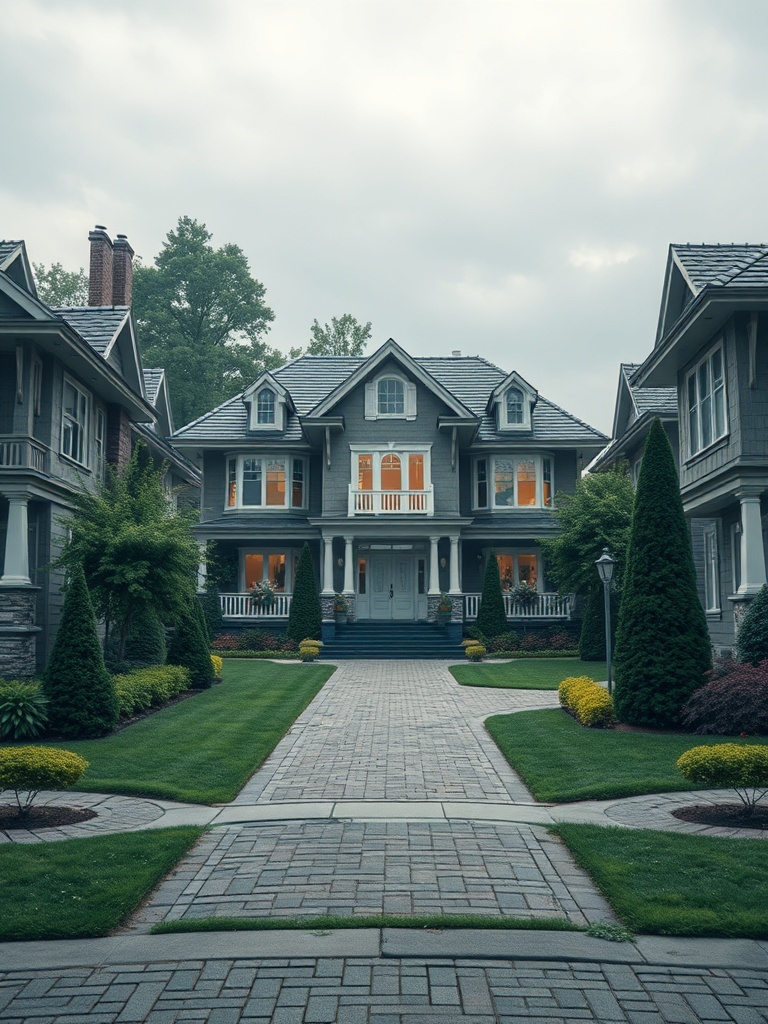
– Use visuals: Before-and-after photos of upgrades, certificates, and short video tours showing smart controls increase engagement.
– Target audiences: Green features resonate with first-time buyers, downsizers prioritizing lower bills, and environmentally conscious buyers — tailor messaging accordingly.
Energy-efficient homes deliver tangible buyer benefits and can enhance resale value when communicated effectively. Prioritize high-impact, well-documented improvements, present clear savings and certification evidence, and work with local pros to uncover incentives that make upgrades more affordable.