Estate Wren · Property brief
How Buyer Preferences Are Driving the Next Wave of Real Estate
Why Buyer Preferences Are Shaping the Next Wave of Real Estate
The real estate market is evolving faster than many expect, driven by changing lifestyle priorities, technology, and a stronger emphasis on sustainability.
Whether you’re buying, selling, or investing, understanding these shifts helps you make smarter decisions and get the best return on your time and money.
What buyers want now
Buyers prioritize flexibility and quality of life.
Home offices or adaptable rooms that can double as workout spaces or classrooms are high on wish lists. Outdoor living areas, private access to green space, and functional storage are equally important.
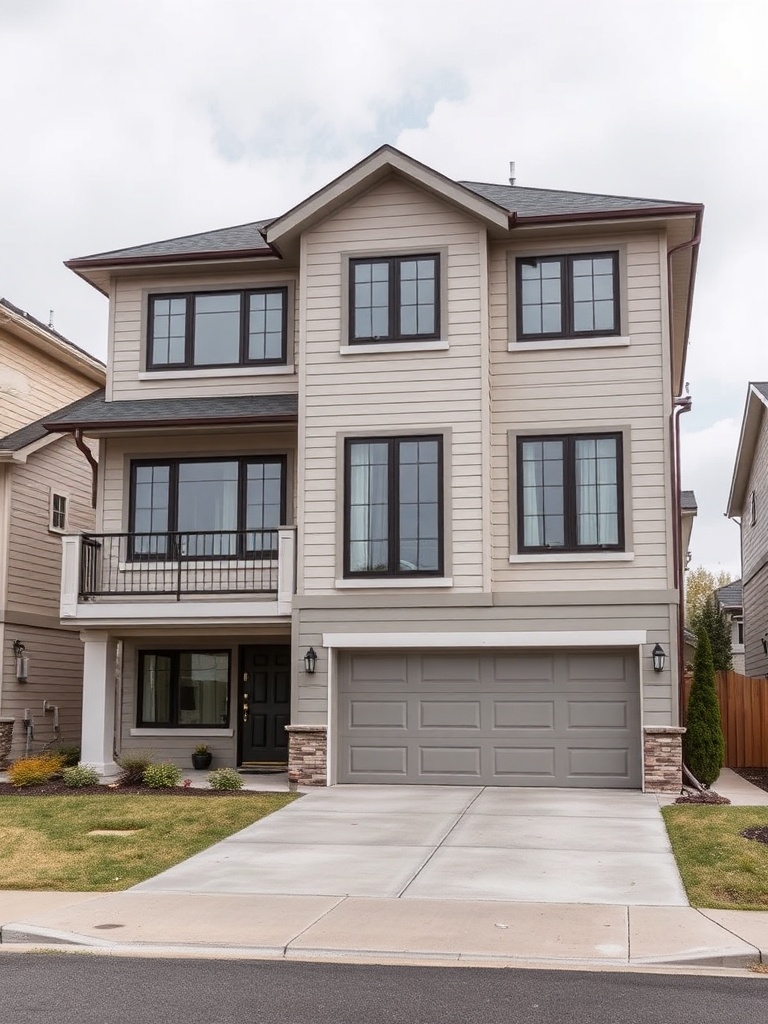
Location preferences are more nuanced: proximity to amenities and reliable broadband can outweigh distance to urban cores for many buyers.
Practical upgrades with strong ROI
Not every improvement pays off equally. Focus on projects that influence buyer perception and appraised value:
– Minor kitchen updates: New hardware, refreshed cabinet fronts, and energy-efficient appliances increase appeal without a full remodel.
– Fresh paint and updated flooring: Neutral palettes and durable flooring attract a wider pool of buyers.
– Curb appeal: Simple landscaping, a new front door, and clean walkways boost first impressions.
– Energy-efficiency improvements: Insulation, smart thermostats, and LED lighting are increasingly valued for lower operating costs.
– Bathroom refreshes: New fixtures and modern tiling elevate value more than full-scale expansions in many markets.
Selling strategies that work
Pricing accurately and staging thoughtfully are still critical. Start with a realistic comparative market analysis and avoid overpricing; days on market typically rise when pricing misaligns with buyer expectations. Professional staging or targeted decluttering helps buyers visualize living in the space, often shortening time to sale and increasing offers.
High-quality photos and virtual tours are no longer optional — they generate more showings and create better first impressions.
Technology that improves transactions
Digital tools streamline the process: online listings with virtual tours, e-signatures for documents, and automated valuation tools speed decision-making. These tools don’t replace local market expertise but allow agents and sellers to focus on negotiation and relationship-building. For investors, property management platforms simplify tenant screening and maintenance coordination, improving portfolio efficiency.
Rental market and investment focus
Rental demand remains strong where job growth and lifestyle amenities converge. Long-term rentals provide steady income, while short-term rentals can yield higher nightly rates in high-demand locations but carry regulatory and management complexity.
Diversify risk by balancing property types and locations, and maintain reserves for maintenance and vacancies.
Financing fundamentals
Shop multiple lenders and get pre-approved to strengthen offers. Understand the trade-offs between fixed and adjustable-rate financing and maintain strong credit to access the best terms. Explore local and state assistance programs that can help with down payment or rehabilitation resources for eligible buyers and investors.
Regulatory and sustainability considerations
Local regulations on short-term rentals, building codes, and energy standards affect both costs and revenue potential. Sustainable features are increasingly recognized in appraisals and buyer decisions, so consider upgrades that lower utility bills and appeal to eco-conscious buyers.
Final thoughts
Success in real estate today comes down to aligning property features with buyer priorities, using technology wisely, and focusing on practical upgrades that deliver measurable value. Whether you’re preparing a home for sale, expanding a rental portfolio, or buying a primary residence, a clear plan and market awareness will guide better outcomes.