Estate Wren · Property brief
Home Staging Tips to Sell Faster: Practical, Proven Strategies to Boost Offers
How to Stage Your Home to Sell Faster: Practical, Proven Strategies
Selling a home requires more than setting the right price.
Presentation drives buyer perception, and effective staging can shorten time on market while boosting offers. These practical strategies make rooms feel larger, flow better, and help buyers imagine living there.
Start with curb appeal
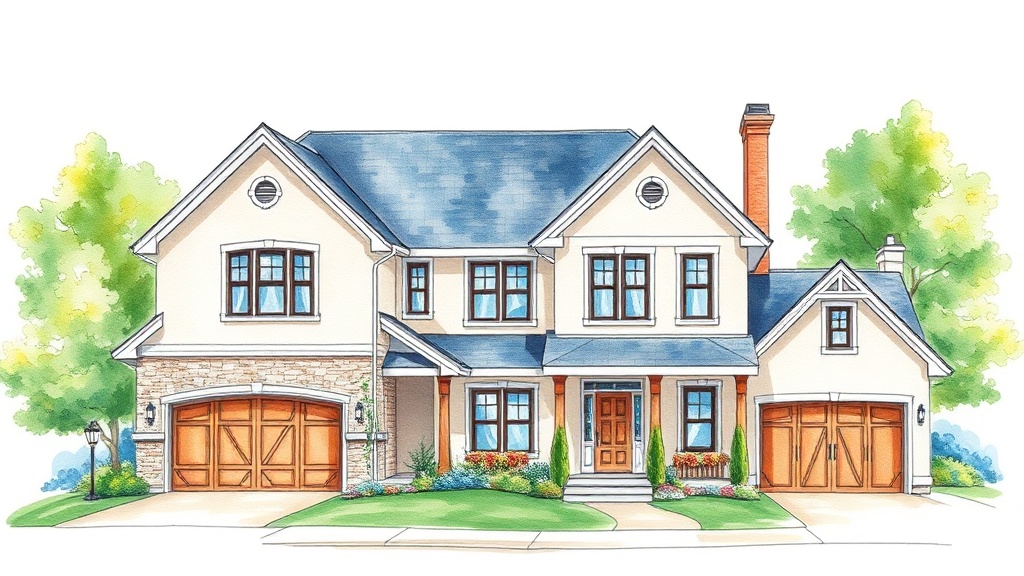
First impressions matter. Simple updates like power-washing siding, trimming shrubs, mulching beds, and a fresh coat of paint on the front door deliver high impact for relatively low cost. Replace dated house numbers and light fixtures, and make sure walkways are clear and welcoming. A tidy, inviting exterior sets a positive tone before buyers step inside.
Declutter and depersonalize
Clear surfaces, closets, and floors so spaces read as roomy and functional. Remove personal photos, trophies, and distinctive décor that can distract buyers. Pack away excess furnishings to highlight architectural features and show how each room can be used. Renting a small storage unit for overflow items can be a smart investment.
Neutralize color and style
Bold paint and eclectic décor can limit appeal. Opt for a neutral palette that enhances natural light and lets buyers visualize their own furnishings. Neutral doesn’t mean boring—add texture with rugs, throw pillows, and natural wood or metal accents to create warmth without overpowering the space.
Maximize natural light and lighting layers
Open curtains and blinds, clean windows, and replace dim bulbs with brighter, energy-efficient options. Use a mix of overhead, task, and accent lighting to eliminate shadows and make rooms feel welcoming at any time of day.
Consider LED bulbs with warm color temperatures to create a cozy, lived-in feeling.
Define each space
Buyers want clarity around a home’s function. Stage rooms to showcase a clear purpose—home office, cozy reading nook, or dining area—especially in open-plan layouts.
If a room could be used for multiple purposes, stage it for the option most buyers in your market seek.
Highlight focal points and traffic flow
Arrange furniture to accentuate focal points like fireplaces, large windows, or built-in shelving. Ensure there’s an easy path through each room so buyers can move naturally from space to space. Remove rugs that bunch or furniture that blocks sightlines.
Address odors and small repairs
Clean deeply and remove lingering smells from pets, cooking, or smoke. Fresh linens, a mild, neutral air freshener, or baking scents can be welcoming during showings. Fix minor issues—loose handles, sticking doors, and leaky faucets—so buyers don’t focus on maintenance concerns.
Use professional-quality photos and virtual tours
Most buyers begin their search online. Invest in high-quality photography and a virtual tour or floor plan so the home presents well on listings. Good visuals set expectations, increase click-through rates, and encourage more in-person showings.
Stage for the target buyer
Think about who is most likely to buy: young professionals, families, downsizers. Tailor the staging to appeal to that audience while keeping décor broadly appealing. For example, show practical storage solutions for families and flexible workspaces for professionals.
Final tip: collaborate with your agent
An experienced agent can advise which upgrades will yield the best return in your neighborhood and coordinate staging, photography, and open houses.
Many agents offer staging consultations that help prioritize efforts for maximum impact.
Focused staging creates emotional connection and removes friction from the buying process. When buyers can picture themselves living in the space, offers tend to follow. If you want tailored staging suggestions, ask a local agent for a walkthrough and priority checklist that matches your market.