Estate Wren · Property brief
High-ROI Home Upgrades to Boost Resale Value Before Selling
Small, strategic upgrades can deliver outsized returns when it comes time to sell.
Focusing on projects that improve function, curb appeal, and energy efficiency typically yields the best value-per-dollar spent. Here’s a practical guide to upgrades that reliably increase home value and how to prioritize them.
Choose upgrades with high return on investment
– Prioritize improvements buyers notice first: kitchens, bathrooms, and curb appeal. These areas influence offers more than many structural upgrades.
– Match the neighborhood.
Avoid over-improving a modest home in a modest neighborhood; aim for parity with comparable nearby properties.
– Target projects that reduce perceived future costs for buyers: fresh paint, updated systems, and improved insulation speak to long-term comfort and savings.
Top projects that move the needle
– Curb appeal: First impressions matter. A well-maintained lawn, trimmed hedges, clean siding, a freshly painted front door, and modern house numbers create immediate attraction. Low-cost landscaping and exterior lighting pay off quickly.
– Paint: A neutral, fresh interior palette brightens spaces and helps buyers imagine themselves in the home. Exterior paint where needed protects the structure and boosts appeal.
– Kitchen updates: Full remodels are expensive, but targeted improvements—cabinet refacing, new hardware, updated countertops, modern backsplash, and energy-efficient appliances—refresh the space affordably.
– Bathroom refresh: Replace dated fixtures, re-grout tile, upgrade lighting and mirrors, and consider a new vanity. Small changes make bathrooms feel cleaner and more modern.
– Flooring: Replace worn carpet or scratched surfaces with durable, attractive options. Engineered hardwood or high-quality laminate can elevate a home’s aesthetic without excessive cost.
– Energy efficiency: Upgrading insulation, sealing air leaks, installing a smart thermostat, and switching to energy-efficient windows or appliances often attract buyers who value lower utility bills.
– Lighting and fixtures: Updated fixtures throughout the home—both practical and decorative—give a contemporary feel and enhance perceived value.
Consider bigger investments carefully
– Additions and conversions: Finishing a basement or adding a bedroom or bathroom increases usable square footage and can generate strong returns if the neighborhood supports higher-priced homes.
Always confirm zoning, permits, and market demand first.
– Solar panels: For some markets and buyer demographics, solar arrays are a selling point.
Evaluate local incentives and utility costs to determine payback potential.
Staging, maintenance, and documentation
– Stage strategically: Declutter, depersonalize, and highlight the home’s best features. Proper staging helps buyers visualize lifestyle possibilities and can shorten time on market.
– Keep maintenance records: Documentation of routine maintenance, recent repairs, and system upgrades reassures buyers and can increase confidence during inspection and appraisal.
– Address deferred maintenance: Fixing roof issues, HVAC problems, or plumbing leaks before listing eliminates negotiation headaches and can preserve value.
Cost-effective planning
– Start with an inspection or a consult with a local agent to identify what buyers in your area prioritize.
– Get multiple quotes for major work, and prioritize projects that will deliver visible, tangible results.
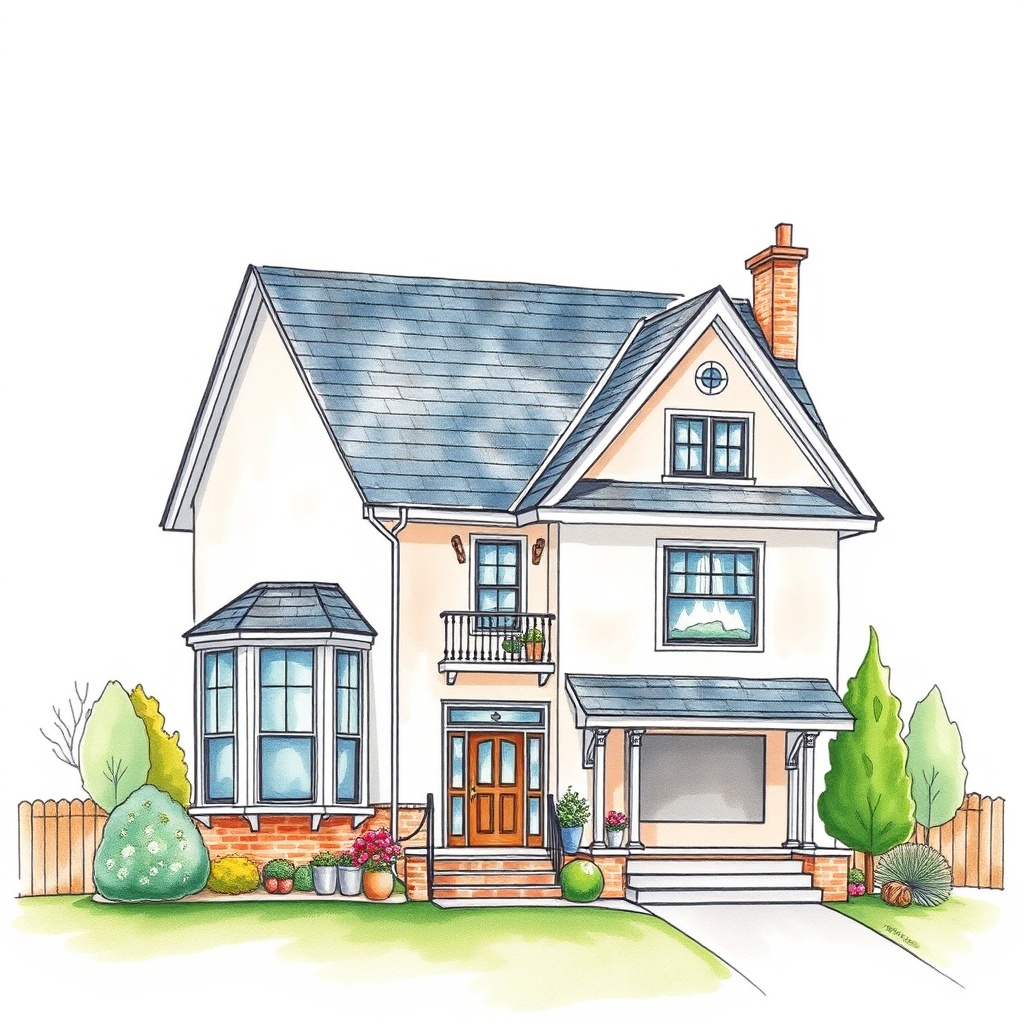
– Don’t overlook curb appeal and cleanliness—often the most cost-effective ways to make an immediate impression.
Thoughtful improvements focused on functionality, efficiency, and appearance help homes sell faster and for better prices.
Begin with a list of desired upgrades, match them to neighborhood norms, and sequence projects so smaller, high-impact tasks come first.