Estate Wren · Property brief
High-Impact Energy-Efficient Upgrades to Boost Home Value, Cut Utility Bills, and Sell Faster
Energy-Efficient Upgrades That Boost Home Value and Sellability
As buyers prioritize lower utility bills and healthier indoor environments, energy-efficient features have become a major selling point.
Upgrades that reduce ongoing costs and demonstrate sustainability not only appeal to eco-conscious buyers but often translate into stronger offers and quicker sales.
Here’s how to prioritize improvements that deliver the best balance of cost, comfort, and market appeal.
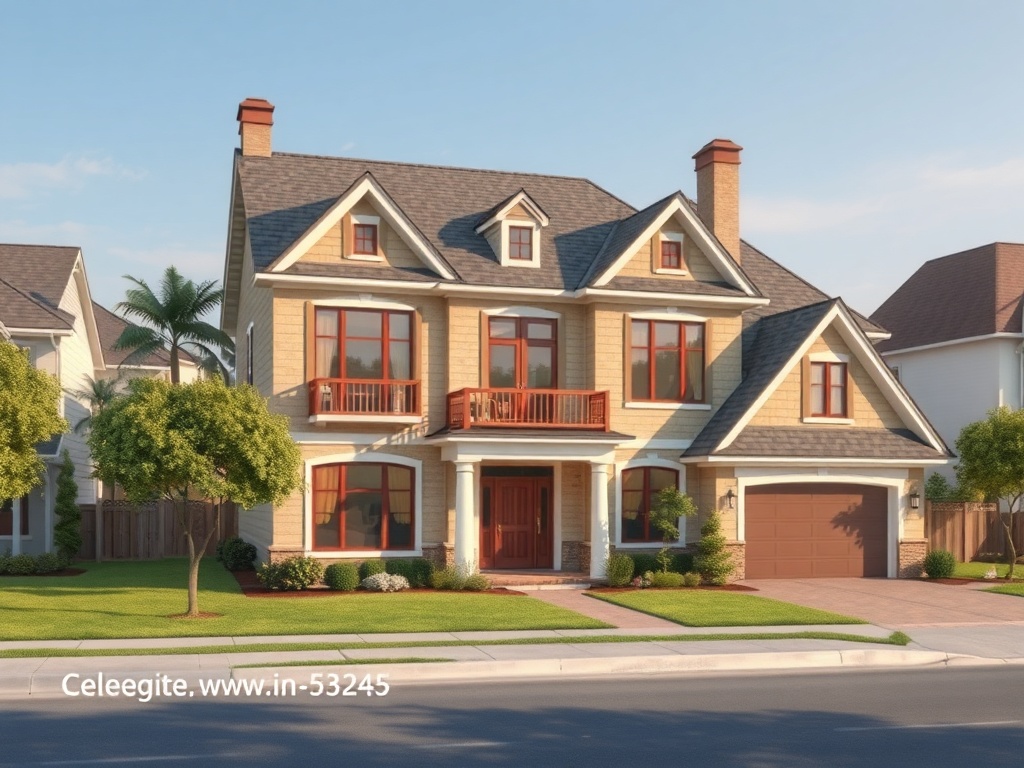
Start with an energy audit
Before spending money on upgrades, get a professional energy audit or use a reputable DIY checklist. An audit pinpoints the biggest energy losses — often through the attic, windows, or inefficient HVAC equipment — so you can prioritize projects that yield the biggest savings and the fastest payback.
High-impact improvements
– Insulation and air sealing: Adding insulation and sealing gaps around doors, windows, and ductwork is one of the most cost-effective ways to reduce heating and cooling costs and improve comfort. These upgrades often show clear value to buyers who live in climates with seasonal temperature swings.
– Efficient HVAC systems: Replacing an old furnace, boiler, or air conditioner with a high-efficiency model improves performance and reduces operating costs. Pairing a new system with a smart thermostat increases appeal by demonstrating modern, controllable efficiency.
– Windows and doors: Upgrading to double- or triple-pane windows and insulated exterior doors improves comfort and reduces noise. For many buyers, these visible upgrades signal long-term savings and reduced maintenance.
Renewable energy and water efficiency
– Solar panels: Solar installations can be a strong selling point when ownership is clear and performance is documented.
Sellers who can share production data and warranty information give buyers confidence in long-term value.
– Efficient water heaters and low-flow fixtures: Tankless or heat-pump water heaters and low-flow faucets and toilets reduce energy and water bills.
These features are especially attractive in regions with high water or utility costs.
Small, affordable upgrades that matter
– LED lighting: Switching to LEDs is inexpensive and noticeable. Buyers appreciate modern, energy-saving lighting throughout the home.
– Smart controls and home energy monitors: Smart thermostats, leak detectors, and whole-home energy monitors help buyers feel in control of costs and maintenance. These devices are inexpensive relative to many structural upgrades but have strong perceived value.
– Landscaping for efficiency: Strategic tree planting for shade, drought-tolerant plants, and permeable hardscaping reduce irrigation needs and improve curb appeal.
Certifications and documentation
Getting professional certifications or score assessments — such as ENERGY STAR, a home energy score, or local green building programs — adds credibility.
Provide buyers with recent energy bills, maintenance records, warranty documents, and results from the energy audit. Clear documentation can make appraisal and financing smoother.
Financing and incentives
Explore financing options designed for energy improvements, such as energy-efficient mortgages, PACE programs, or local utility rebates. Many jurisdictions offer incentives that reduce upfront costs; highlight these benefits to prospective buyers as part of your marketing.
Marketing the upgrades
When listing the property, lead with energy-saving features in headlines and property descriptions. Include specifics — estimated annual savings, recent energy bills, certifications, and warranty information. Use photos of visible upgrades like new windows, solar panels, and upgraded HVAC equipment.
Final considerations
Not every energy project makes sense for every home or market. Focus on improvements that provide clear comfort and cost benefits, are appropriate for the local climate, and can be well-documented. Properly prioritized and marketed, energy-efficient upgrades can increase home value, shorten time on market, and attract buyers willing to pay a premium for reduced ongoing costs.