Estate Wren · Property brief
Green is the New Standard: Exploring the Rise of Sustainable Practices in the Real Estate Industry
Real estate, as an industry, is constantly evolving, adapting to the changing needs and expectations of consumers. One current trend making waves in the property market is the shift towards sustainable, or ‘green’, real estate. This shift is being driven by a combination of consumer demand, government regulation, and a growing recognition of the financial benefits that come with energy-efficient buildings.
Sustainability in real estate involves the use of eco-friendly practices and materials in the construction, operation, and maintenance of buildings. It encompasses everything from energy-efficient appliances and solar panels, to sustainable landscaping and the use of recycled building materials. By adopting these practices, property owners can reduce their carbon footprint, contribute to the fight against climate change, and often save money on energy costs.
One of the key drivers of this trend is an increasing awareness among consumers about the impact of their choices on the environment. Today, many homebuyers and renters are seeking properties that align with their values, and a ‘green’ home has become a desirable asset. This is particularly relevant in the millennial and Gen Z demographics, who often prioritize environmental consciousness in their purchasing decisions.
In response to this shift in consumer behavior, many real estate developers and investors are focusing on sustainability in their projects. They’re not just installing energy-efficient appliances and solar panels, but also incorporating sustainability into the design and construction process. This includes utilizing eco-friendly building materials, implementing water-saving features, and even creating buildings that generate their own renewable energy.
Additionally, governments around the world are implementing policies and regulations that promote energy efficiency in buildings. These regulations often provide financial incentives, such as tax credits or grants, for property owners who invest in energy-efficient upgrades. This policy approach is helping to drive the shift towards sustainable real estate, by making it financially attractive for property owners.
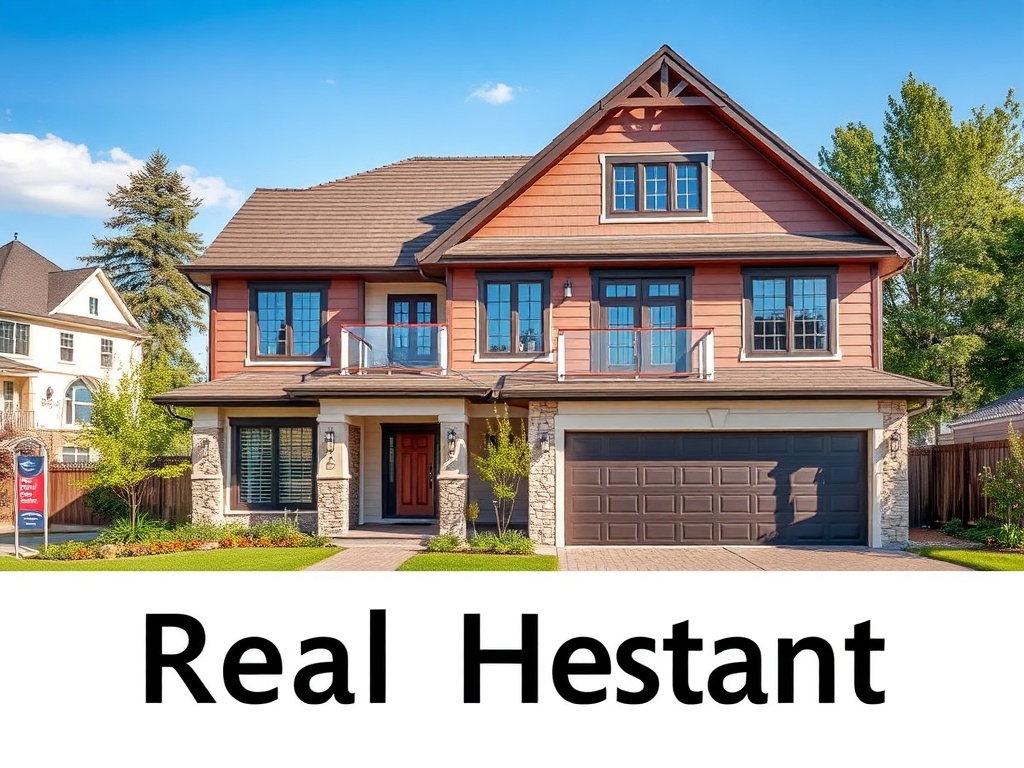
Implementing sustainable practices in real estate also brings substantial economic benefits.
Energy-efficient buildings typically have lower operating costs, due to reduced energy and water consumption. This can result in significant savings for property owners over time, improving the market value of these properties.
Furthermore, sustainable buildings often provide a healthier and more comfortable living environment. They tend to have better air quality, natural lighting, and temperature control, which can contribute to the well-being of the occupants.
This aspect can make sustainable properties more attractive to potential buyers or renters, leading to higher occupancy rates and rental returns.
While the shift towards sustainable real estate is a global trend, it’s particularly pronounced in urban areas. Cities are the biggest consumers of energy and the largest contributors to greenhouse gas emissions. As a result, they have a major role to play in promoting energy efficiency and reducing carbon emissions.
Adopting sustainable practices in real estate is a win-win situation for everyone involved. Property owners can enjoy financial benefits, while also contributing to environmental conservation. Consumers can live in healthier, more comfortable homes that align with their values. And society as a whole can benefit from the reduction in greenhouse gas emissions and the move towards a more sustainable future.
In light of these advantages, it’s clear that the trend towards sustainable real estate is not just a passing fad but a fundamental shift in how we approach property development and investment. As consumers, investors, and policy-makers increasingly embrace sustainability, we can expect this trend to continue to shape the future of the real estate industry.
Undoubtedly, ‘green’ is becoming the new standard in real estate.