Estate Wren · Property brief
Energy-efficient upgrades are one of the smartest ways to increase a home’s appeal, reduce ongoing costs, and improve resale value.
Energy-efficient upgrades are one of the smartest ways to increase a home’s appeal, reduce ongoing costs, and improve resale value.
Buyers are paying closer attention to utility bills, indoor comfort, and long-term maintenance — and well-chosen green improvements can move a listing to the top of the market.
Why energy efficiency matters to buyers
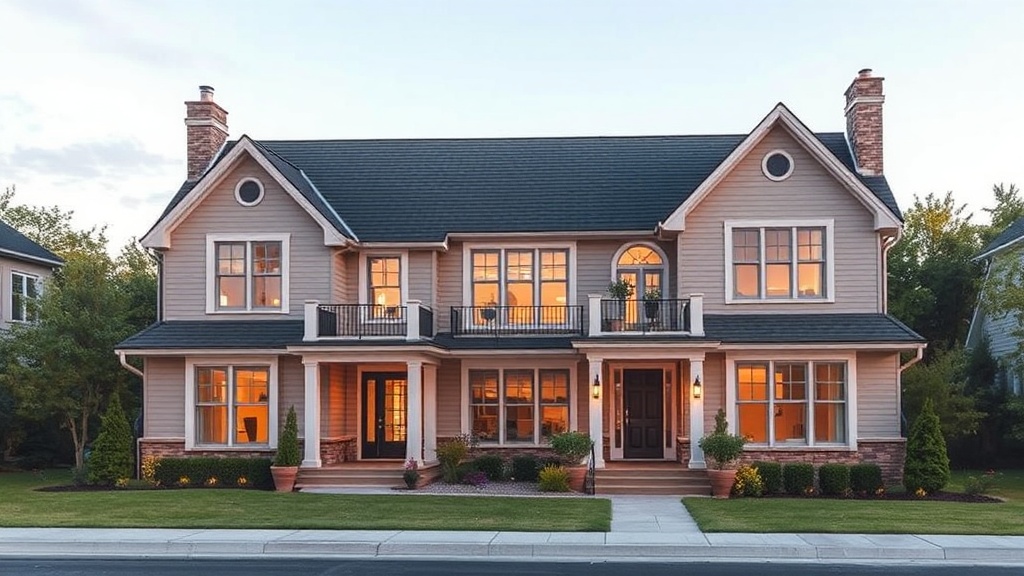
Lower monthly operating costs and increased comfort are the two biggest selling points.
Efficient homes offer more consistent temperatures, better indoor air quality, and reduced reliance on mechanical systems. For many buyers, the promise of predictable utility bills outweighs cosmetic features, especially in neighborhoods where energy-conscious options are common.
Top upgrades with strong buyer appeal
– Insulation and air-sealing: Adding insulation to attics, walls, and crawlspaces — plus professional air-sealing — immediately improves comfort and decreases heating and cooling demand. This upgrade is relatively low-cost with a quick payback in many climates.
– High-efficiency HVAC and heat pumps: Modern heat pumps and high-efficiency furnaces/air conditioners deliver superior performance and lower operating costs.
Heat pumps also provide efficient cooling and heating in one system, appealing to buyers seeking modern, flexible solutions.
– Smart thermostats and controls: Programmable thermostats that learn occupant habits save energy and add a perceived “tech-forward” feature that resonates with many buyers.
– Window upgrades and shading: Double- or triple-pane windows with low-emissivity coatings reduce heat transfer and improve comfort. Exterior shading, awnings, and reflective films can lower summer cooling loads.
– LED lighting and efficient appliances: LEDs use far less energy and last longer than incandescent bulbs. ENERGY STAR-rated appliances reduce kitchen and laundry energy use and are easy selling points.
– Solar panels and battery storage: Solar installations reduce grid dependency and can significantly lower electricity bills. Battery storage adds resilience during outages, attracting buyers in areas with reliability concerns.
– Water-saving fixtures and efficient irrigation: Low-flow faucets, smart irrigation controllers, and drought-tolerant landscaping lower water bills and appeal to environmentally conscious buyers.
Certifications and documentation that sell
Providing verification multiplies the perceived value.
Energy assessments, HERS scores, ENERGY STAR certifications, and local green building labels give buyers confidence in performance claims. Including recent utility bills, an energy audit summary, or a list of installed equipment in listing notes helps agents highlight these benefits.
Cost vs. return considerations
Not every upgrade delivers the same return on investment. Focus first on measures that reduce energy consumption directly (insulation, air-sealing, HVAC) and offer measurable bill savings. Mid-range projects like efficient appliances and LED retrofits are low-cost and attractive. High-cost, high-visibility projects (solar, major window replacements) may deliver long-term value and buyer differentiation but require careful evaluation against local incentives and market expectations.
How to market energy features
– Call out estimated annual energy savings in listings.
– Provide certified documentation and recent utility statements.
– Create a simple one-page “home energy profile” for showings.
– Highlight comfort and air quality benefits, not just technical details.
Start smart
Begin with a professional energy audit to identify the best opportunities for your home and budget. Explore local incentives and utility rebates before committing, and prioritize projects that improve comfort and reduce operating costs.
Thoughtful energy upgrades make homes more desirable today and help buyers feel confident about long-term ownership costs.