Estate Wren · Property brief
Energy-Efficient Home Upgrades That Boost Value, Cut Utility Bills, and Sell Faster
Energy-efficient upgrades remain one of the smartest ways to increase a home’s appeal, lower utility bills, and capture premium offers from buyers who prioritize long-term savings. Whether you’re selling, refinancing, or simply improving livability, focusing on efficiency can pay off both at the closing table and over years of reduced operating costs.
Why energy efficiency matters for real estate
– Buyers increasingly evaluate total cost of ownership, not just the asking price. Lower monthly energy bills make properties more attractive.
– Green features often translate to a marketing edge: listings that highlight efficiency and certification draw more interest and can sell faster.
– Efficiency improvements can improve appraisal outcomes when they reduce operating expenses or come with quantifiable ratings like ENERGY STAR or a favorable HERS score.
Top upgrades that deliver value
– Insulation and air sealing: Adding attic and wall insulation, sealing gaps around windows and doors, and improving ductwork tends to yield a strong return because it directly reduces heating and cooling demand.
– High-efficiency HVAC: Replacing an aging furnace or air conditioner with a high-efficiency model improves comfort and cuts energy costs. Proper sizing and professional ductwork balancing are critical.
– Smart thermostat: Low-cost and easy to install, smart thermostats offer immediate perceived value by enhancing comfort and saving energy through better scheduling and remote control.
– Window replacement or retrofit: Energy-efficient windows reduce drafts and heat transfer, improving comfort and curb appeal. Consider performance glazing or storm windows if full replacement isn’t feasible.
– Solar panels: Solar installations reduce electricity bills and appeal strongly to eco-minded buyers.
Site suitability and local incentives affect payback, so evaluate solar with a local installer.
– LED lighting and efficient appliances: Upgrading to LED bulbs and ENERGY STAR-rated appliances provides quick wins and modernizes kitchens and laundry areas.
– Water efficiency: Low-flow fixtures, efficient irrigation, and high-efficiency water heaters lower utility costs and are attractive in climates where water scarcity impacts costs.
How to maximize return on investment
– Start with an energy audit: A professional audit identifies the most cost-effective measures for your specific home and climate zone.
– Prioritize the “envelope” first: Insulation, sealing, and windows often generate better long-term savings than small appliance swaps.
– Keep documentation: Collect receipts, warranties, and any certification reports to include in listings. Transparent energy performance data builds trust with buyers.
– Leverage certifications: ENERGY STAR, local green building programs, or a HERS score provide verifiable proof of performance and can be featured in marketing materials.
– Match upgrades to the market: High-end solar and luxury systems perform best in markets where buyers expect premium features; modest efficiency upgrades may be smarter in more price-sensitive areas.
Financing and incentives
Many financing options and utility or government incentives can reduce upfront costs. Explore local rebate programs, green loans, and lender products that reward efficiency improvements. A contractor or energy advisor can help identify opportunities available where the property is located.
Energy-efficient improvements help homes sell faster, command stronger offers, and deliver ongoing savings.
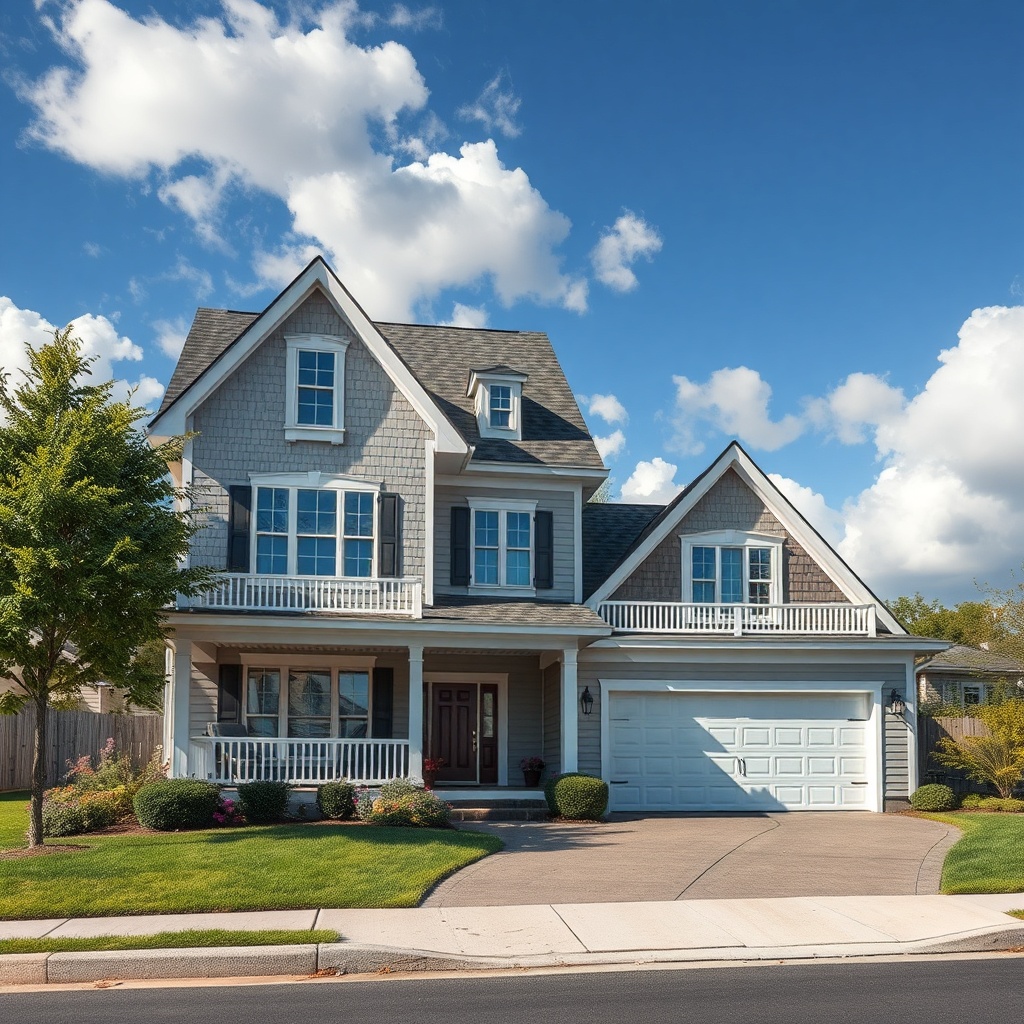
Focus on measures that address the building envelope and heating/cooling systems first, keep detailed documentation, and tailor upgrades to local buyer preferences to get the best return on investment.