Estate Wren · Property brief
Energy-Efficient Home Upgrades That Boost Resale Value and Attract Buyers
Energy-efficient upgrades that boost home value and buyer appeal
Home buyers increasingly factor energy efficiency into their purchase decisions. Lower utility bills, improved comfort, and reduced environmental impact make green features powerful selling points. Whether preparing to sell or investing in long-term comfort, focus on upgrades that deliver measurable savings and clear marketing value.
High-impact upgrades to prioritize
– Insulation and air sealing: Improving attic, wall, and crawlspace insulation and sealing leaks reduces heating and cooling losses. This upgrade enhances comfort, shortens system runtimes, and typically produces a noticeable change in energy bills, which is easy to highlight for buyers.
– Efficient heating and cooling: Modern heat pumps and high-efficiency HVAC systems offer better performance and often operate at lower cost than older systems. Replacing aging equipment can also reduce maintenance concerns, a selling point for prospective owners.
– Windows and doors: Replacing single-pane windows with double- or triple-pane units, or simply adding storm windows, improves thermal comfort and reduces drafts. New doors with good seals boost curb appeal and security, further enhancing perceived value.
– Solar panels and battery storage: Solar photovoltaic systems are a visible signal of a green home and can lower long-term utility costs. Adding battery storage increases resilience and appeal for buyers who prioritize backup power.
– Smart controls and efficient appliances: Smart thermostats, energy-efficient appliances, and LED lighting offer quick wins. They improve convenience, deliver energy savings, and are easy to advertise in listings.
– Water-saving fixtures and landscaping: Low-flow fixtures, efficient irrigation, and drought-tolerant landscaping reduce utility bills and maintenance, appealing in regions where water costs and restrictions are a concern.
– EV charging readiness: Installing a dedicated electric vehicle charger or conduit for future charging is a forward-looking upgrade that resonates with increasingly eco-conscious buyers.
Document performance and tell the story
An energy audit or performance assessment translates technical improvements into tangible benefits.
Use audit reports, past utility statements, and manufacturer warranties when marketing the property. Simple comparisons of monthly energy costs before and after upgrades can be persuasive in listings and open-house materials.
Certifications and visible cues matter
Third-party certifications and labels, such as energy performance scores or recognized green home ratings, add credibility and streamline buyer trust. Even small visible cues — like a smart thermostat display or a well-placed solar array — convey modern comfort and savings to prospective buyers.
Cost, financing and return on investment
Upgrades vary widely in upfront cost and payback time. Pair smaller, low-cost improvements (LEDs, smart thermostats, sealing) with one or two larger investments (insulation, heat pump, solar) to maximize both immediate appeal and long-term value.
Explore available rebates, low-interest “green” financing, and local incentive programs to reduce net cost and improve return on investment.
Marketing tips for sellers and agents
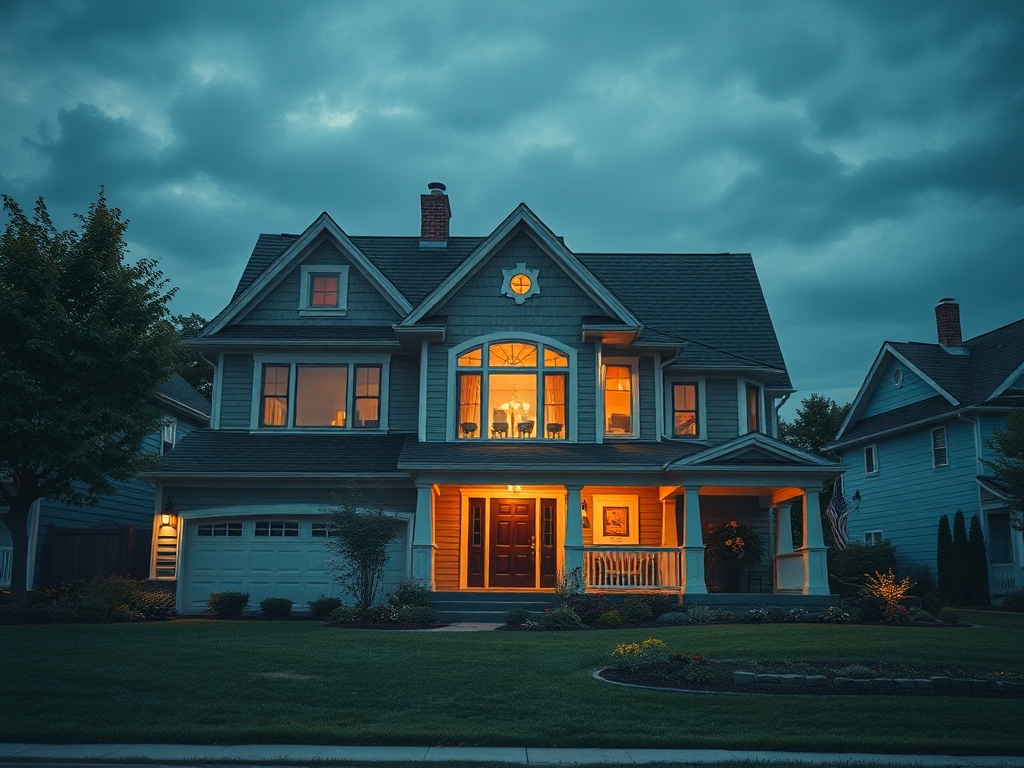
Highlight energy savings and comfort features in the headline and property description. Include documentation and utility comparisons in the listing packet. Stage green spaces and showcase technology through photos and demonstrations during showings. Emphasize reduced operating costs and maintenance savings to broaden buyer interest beyond strictly eco-focused buyers.
Advice for buyers
Assess the home’s energy profile before making an offer. Consider lifecycle costs of systems and the potential for incremental upgrades. Prioritize measures that improve comfort and reduce dependency on fossil fuels if resilience and future savings are important to you.
Next steps
Start with a professional energy audit or walk-through to identify the highest-impact improvements for your property. Prioritize a mix of low-cost, high-visibility changes and strategic investments that deliver long-term savings and strong market differentiation.