Estate Wren · Property brief
Energy-Efficient Home Upgrades That Boost Property Value: High-ROI Improvements for Sellers
Energy-efficient home upgrades that boost property value
Buyers increasingly look for homes that cost less to run and have lower environmental impact. Making targeted energy-efficient upgrades can improve comfort, reduce utility bills, and make a property more attractive on the market. Focus on improvements that deliver a strong return on investment and appeal to today’s eco-conscious buyers.
Priority upgrades with strong ROI
– Insulation and air sealing: Adding or upgrading insulation and sealing gaps around doors and windows reduces heat loss and improves comfort year-round. These are often the most cost-effective ways to lower energy costs and show up on inspections and appraisals.
– High-efficiency HVAC and heat pumps: Replacing an aging furnace or air conditioner with a high-efficiency system, or switching to a heat pump, cuts energy use and can be a major selling point. Modern systems also improve indoor air quality and humidity control.
– Smart thermostats and home controls: A programmable or smart thermostat is an affordable upgrade that demonstrates ongoing energy savings and modern convenience to buyers.
– Window upgrades: Replacing single-pane or poor-performing windows with double- or triple-pane units improves efficiency and comfort.
If full replacement isn’t feasible, weatherstripping and thermal curtains are practical alternatives.
– LED lighting and efficient appliances: Swapping to LED bulbs and ENERGY STAR-rated appliances reduces energy use immediately and is an easy item to highlight in marketing materials.
– Solar panels and battery storage: Photovoltaic systems often raise curb appeal and can significantly lower electric bills. If panels are owned (not leased), they tend to add more value on listings.
Smaller upgrades that make a big difference
– Water-saving fixtures: Low-flow toilets and smart irrigation controllers reduce utility bills and appeal to sustainability-minded buyers.
– Smart home features: Energy-monitoring plugs, automated lighting, and whole-home energy displays help buyers see ongoing savings.
– Landscaping for energy savings: Strategic planting and shade trees can reduce cooling costs and enhance curb appeal.
Financing options and incentives
Many financing paths can make energy improvements more feasible, including energy-specific loans, home equity financing, and contractor financing. Local and federal incentives, rebates, and tax credits may offset upfront costs—check local program listings and utility company offers to identify available savings. Proper documentation of incentives and system performance can strengthen listing claims and expedite appraisals.
Maximizing resale value
– Get paperwork in order: Keep installation receipts, warranties, and performance documentation. Buyers and appraisers appreciate clear records that verify savings and service history.
– Highlight savings and certifications: Include estimated energy savings and any green certifications or ratings in your listing description and marketing materials.
– Prioritize visible improvements: A capped water heater, new windows, or an efficient HVAC system are tangible upgrades buyers notice. Combine visible investments with smart, less-obvious upgrades like insulation to yield the best perceived value.
Final tips for sellers and renovators
Start with an energy audit to identify the most cost-effective measures for your property. Focus on improvements that balance performance, visibility to buyers, and budget. When listing, showcase estimated utility savings and any independent verification to set your property apart in a crowded market.
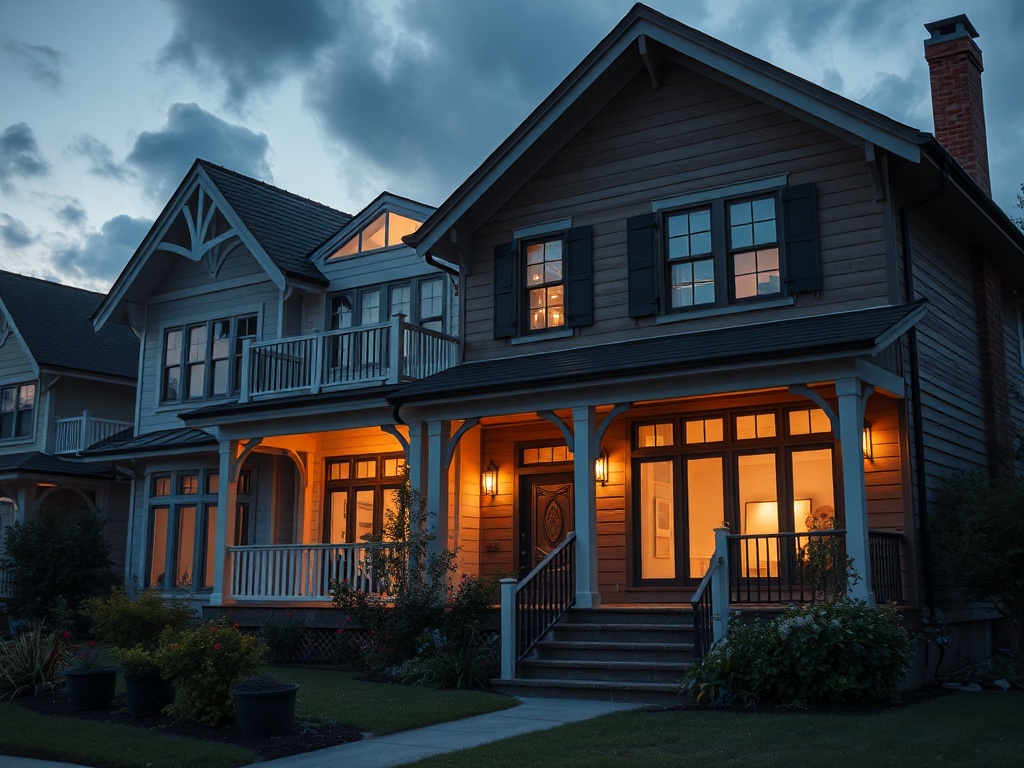
Energy-efficient upgrades not only reduce operating costs but also make a home more competitive. Thoughtful investments, documented benefits, and clear marketing can convert lower bills into higher buyer interest and stronger offers.