Estate Wren · Property brief
Energy-Efficient Home Upgrades: Start with an Energy Audit to Cut Bills and Boost Value
Energy-efficient upgrades are one of the smartest investments a homeowner can make: they lower monthly bills, improve comfort, and make a property more attractive to buyers. Whether planning to stay long-term or preparing to sell, prioritizing the right improvements can deliver strong returns and steady savings.
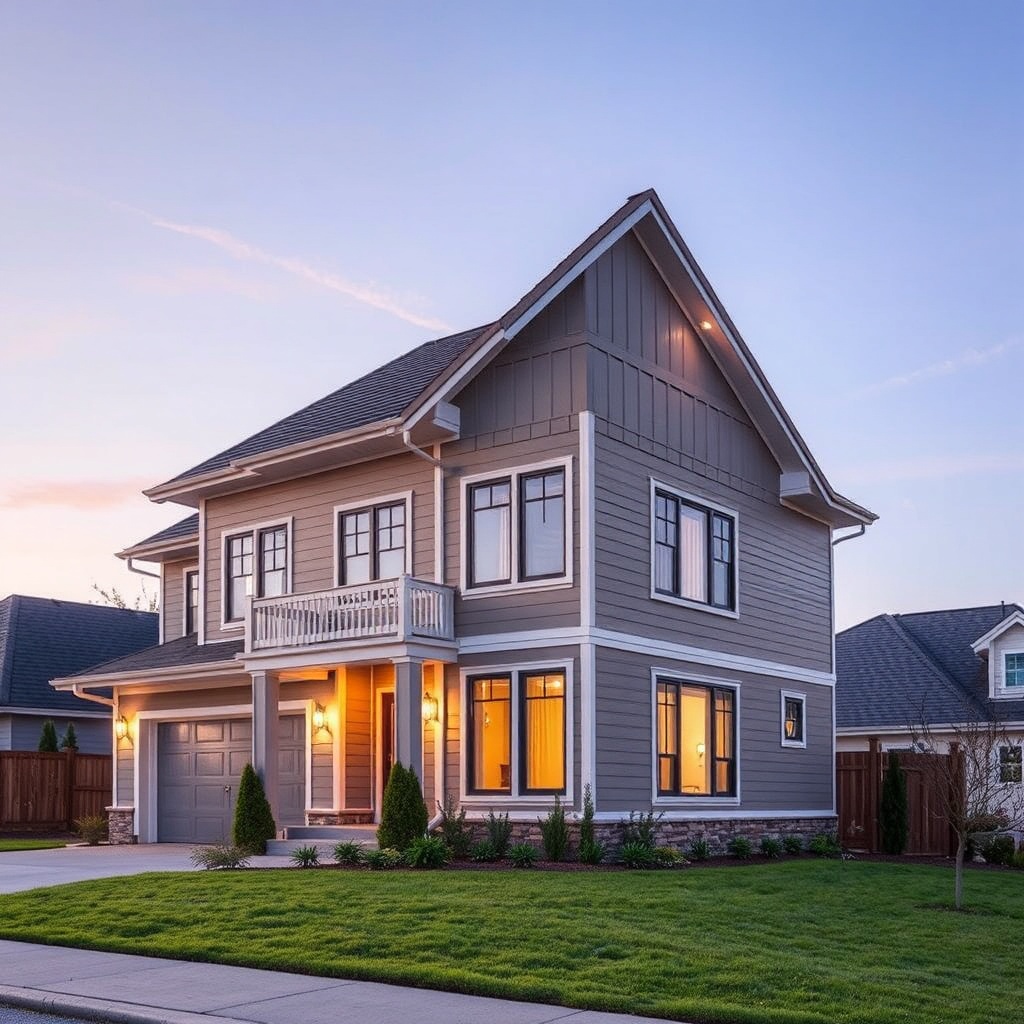
Start with a home energy audit
A professional energy audit identifies the biggest sources of heat loss, air leaks, and inefficient systems so you can target upgrades that deliver the most impact. Audits typically include blower-door tests, infrared scanning, and inspection of insulation and HVAC systems. Many utility companies offer free or discounted audits and can point to local incentives.
High-impact upgrades that increase value
– Insulation and air-sealing: Adding insulation to attics, walls, and basements and sealing drafts around windows, doors, and ductwork reduces heating and cooling loads. These improvements are often among the quickest to pay back through lower energy bills.
– High-efficiency HVAC or heat pump systems: Replacing aging furnaces, boilers, or air conditioners with high-efficiency models or a modern heat pump improves indoor comfort and reduces operating costs. Proper sizing and professional installation matter for longevity and performance.
– Smart thermostats and zoning: Smart thermostats learn occupancy patterns and adjust temperatures to save energy, while zoning systems allow different parts of the home to be conditioned independently—great for larger or multi-level homes.
– Windows and doors: Replacing single-pane windows with double- or triple-pane, low-emissivity glass reduces heat transfer and improves comfort. If full replacement isn’t possible, weatherstripping and storm windows are effective alternatives.
– LED lighting and efficient appliances: Upgrading to LED bulbs and ENERGY STAR-rated appliances cuts electricity use with minimal upfront disruption.
– Solar panels and battery storage: Solar photovoltaic systems can drastically reduce utility bills and appeal to eco-conscious buyers. Adding battery storage increases resilience and allows better use of on-site generation.
– Water heating improvements: Tankless or heat-pump water heaters are more efficient than traditional tanks and can significantly lower energy consumption for households with substantial hot-water use.
Certifications and documentation boost resale value
Energy efficiency certifications—such as ENERGY STAR, Home Performance, or local green building ratings—provide verifiable proof of performance to buyers. Keep invoices, audit reports, and permits for any upgrades; documentation reassures buyers and appraisers when estimating value.
Incentives, financing, and ROI
Many jurisdictions and utilities offer rebates, tax incentives, or low-interest financing for specific upgrades. Energy-efficient mortgages, green loan products, and programs that let you finance improvements through property tax bills can spread costs over time.
When evaluating return on investment, consider both immediate utility savings and how upgrades influence marketability—energy-efficient homes often sell faster and at a premium.
Practical prioritization checklist
– Get an energy audit first to prioritize work.
– Fix air leaks and boost insulation before replacing major systems.
– Replace lighting and appliances with efficient models as a mid-range investment.
– Evaluate heating/cooling systems and consider heat pumps where climate-appropriate.
– Consider solar if you plan to stay several years or if local incentives are strong.
– Document everything and obtain certifications when possible.
Energy-efficient upgrades improve livability while making financial sense. By prioritizing the highest-impact changes and leveraging available incentives, homeowners can reduce ongoing costs, increase market appeal, and create a more comfortable, resilient home.
Start with an audit, focus on insulation and air sealing, and layer in smart technologies and efficient systems for the best combination of savings and value.