Estate Wren · Property brief
Decoding the Shift: How Remote Work is Revolutionizing the Real Estate Market
The Impact of Remote Work on Real Estate Markets
The global workforce is currently undergoing an unprecedented transition. Remote work, once a luxury afforded to a few, has become the norm for many businesses worldwide. This shift is not only changing the way we work but also causing a significant transformation in the real estate market.
Perhaps the most striking change is the shift in demand from urban to suburban and even rural real estate. With the rise of remote work, the necessity of living near one’s workplace is no longer a factor for many. This newfound freedom of location choice is reshaping the landscape of real estate demand.
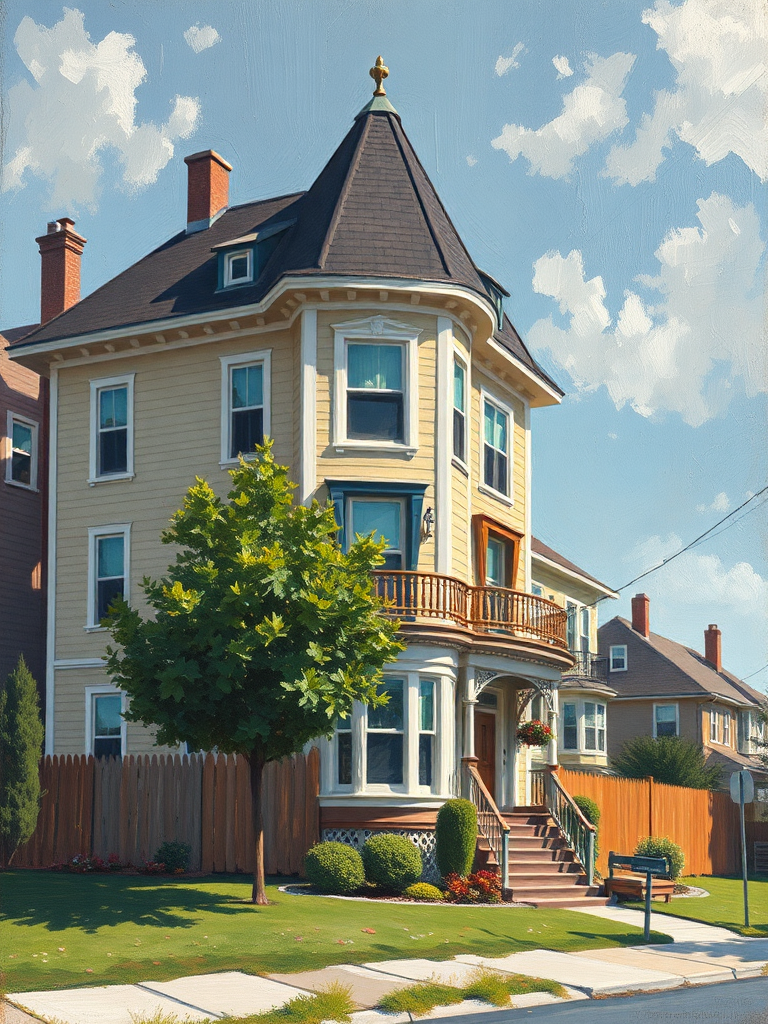
For instance, today, we see a surge in demand for homes with dedicated office spaces.
As workers strive to separate their work and personal lives, homes are evolving to accommodate this need. Extra bedrooms, basements, and garages are being converted into offices, creating a new criterion for prospective home buyers and renters alike.
Housing in suburban and rural areas, once considered less attractive due to their distance from city centers, are now experiencing renewed interest. These areas typically offer larger properties with the potential for dedicated home offices and outdoor space, amenities that have become increasingly desirable as people spend more time at home. Consequently, we’re seeing a boon in these markets, with property values and sales increasing at a rate not seen in years.
On the flip side, the shift away from office-based work has implications for commercial real estate. As companies reassess their need for physical office space, many are downsizing or eliminating traditional offices altogether. This trend is leading to a surplus of commercial properties on the market, challenging property owners and real estate developers to rethink their strategies.
In response, some commercial property owners are repurposing their spaces. Office buildings are being converted into apartments or mixed-use properties, providing an alternative use for these spaces. This trend towards adaptive reuse of commercial properties is a creative solution to the changing demands of the real estate market.
However, the rental market in prime urban areas has also seen a shift. As companies offer long-term remote work options, some urban dwellers are opting for short-term rentals over traditional leases. This trend is giving rise to a ‘digital nomad’ lifestyle, where people live and work in different locations throughout the year.
In essence, the rise of remote work is reshaping the real estate market in ways we are only just beginning to understand.
It’s transforming our perceptions of what a home or office should be and changing the value we place on location. As these trends continue to evolve, it’s crucial for buyers, sellers, investors, and real estate professionals to stay informed and adapt to the changing market landscape.