Estate Wren · Property brief
Boost Property Value with Remote-Work Ready Spaces, Energy Efficiency & Smart Home Tech
Remote work, energy efficiency, and smart home tech are reshaping how people buy, sell, and invest in real estate. Buyers now prioritize flexibility and utility as much as location, while sellers and agents who adapt marketing and upgrades accordingly see stronger interest and faster sales. Here’s how to align with those priorities and boost property value.
Shifting buyer priorities
– Flexible space: A dedicated home office or easily reconfigurable room is a top feature.
Open-concept homes remain popular, but buyers also want quiet, private work areas.
– Outdoor space: Access to a yard, balcony, or nearby green space is increasingly important for daily wellbeing and remote socializing.
– Connectivity: Reliable high-speed internet and good cell reception are non-negotiable. Properties that clearly advertise fiber or strong connectivity stand out.
– Energy efficiency: Lower utility costs and environmental impact matter. Energy-efficient homes attract buyers and may qualify for favorable financing or incentives.
High-impact upgrades that boost value
– Improve insulation and windows: Better insulation, double- or triple-pane windows, and air sealing create tangible energy savings and comfort—key selling points in listings.
– Install programmable or smart thermostats: These upgrades are cost-effective, simple to demonstrate, and appeal to tech-savvy buyers.
– Upgrade lighting and appliances: LED lighting and ENERGY STAR-rated appliances reduce ongoing costs and enhance curb appeal during showings.
– Add or enhance a home office: Create a dedicated workspace with built-in storage, soundproofing, and task lighting to showcase the home’s work-from-home readiness.
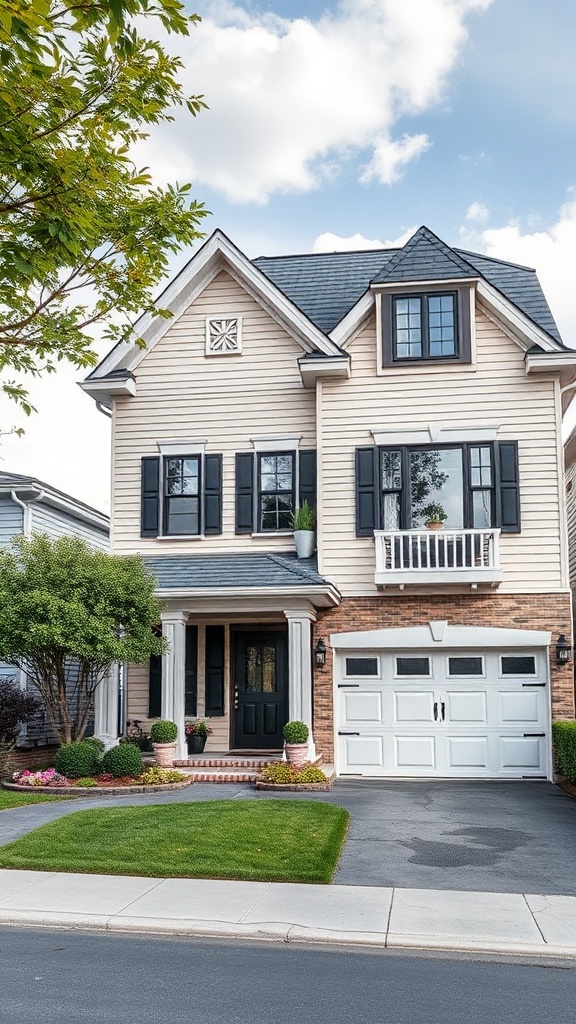
– Prioritize curb appeal: Fresh landscaping, a maintained entryway, and a clean exterior photograph well and encourage showings.
Marketing strategies that convert
– Lead with features buyers care about: Highlight home office potential, energy efficiency, and high-speed internet in the headline of listings.
– Use high-quality visuals: Professional photography, floor plans, and virtual tours help remote buyers evaluate properties and increase listing engagement.
– Provide utility and inspection transparency: Share recent energy bills, inspection reports, and information on recent upgrades. Transparency builds trust and speeds negotiations.
– Targeted staging: Stage one room as a workspace and another as a relaxation area to help buyers visualize both productivity and lifestyle benefits.
What investors should watch
Properties that combine flexible interiors, energy-efficient systems, and strong connectivity tend to hold value better and rent faster. Small investments—like improving insulation, adding smart thermostats, or creating a dedicated office—often yield outsized returns through higher rents and lower vacancy.
Financing and incentives
Many lenders and programs now recognize energy-efficient features, offering specialized loans or incentives.
Buyers and owners should explore energy-efficiency financing options and local rebates that can offset upfront costs for upgrades.
Key takeaways for sellers and buyers
– Sellers: Invest in modest, visible upgrades that reduce operating costs and showcase work-from-home readiness. Market those features prominently.
– Buyers: Prioritize properties with flexible space and proven energy savings; ask for recent utility data and inspection details.
– Agents: Combine targeted online marketing with transparent documentation to attract informed buyers quickly.
Adapting to these shifts helps sellers maximize sale potential, buyers make smarter choices, and investors future-proof properties.
The most marketable homes are those that deliver comfort, connectivity, and efficiency—features that resonate with today’s practical lifestyle priorities.