Estate Wren · Property brief
Boost Home Value with Energy-Efficient Upgrades: Top Audits, High-Impact Improvements, and Local Incentives
Energy efficiency has moved from niche selling point to mainstream expectation for home buyers and renters. As energy costs remain a major household expense and sustainability is a priority for many, strategic upgrades can both reduce bills and increase a property’s market appeal. Focus on improvements that deliver measurable savings, visible benefits to buyers, and potential eligibility for local incentives.
Start with an energy audit
A professional energy audit reveals where a home loses the most energy — through the attic, walls, windows, or ductwork — and prioritizes fixes that deliver the best return. Audits often include blower-door and infrared testing to identify air leaks and insulation gaps. Addressing the biggest issues first keeps upgrade spending efficient.
High-impact upgrades that add value
– Insulation and air-sealing: Improving attic and wall insulation and sealing gaps around doors, windows, and penetrations reduces heating and cooling demand. These are foundational upgrades that improve comfort and lower monthly bills.
– Efficient HVAC and heat pumps: Replacing aging furnaces or air conditioners with high-efficiency models or modern heat pumps can dramatically cut energy use. For many buyers, updated HVAC systems are a strong selling point.
– High-performance windows and doors: Energy-efficient windows reduce heat transfer and improve comfort.
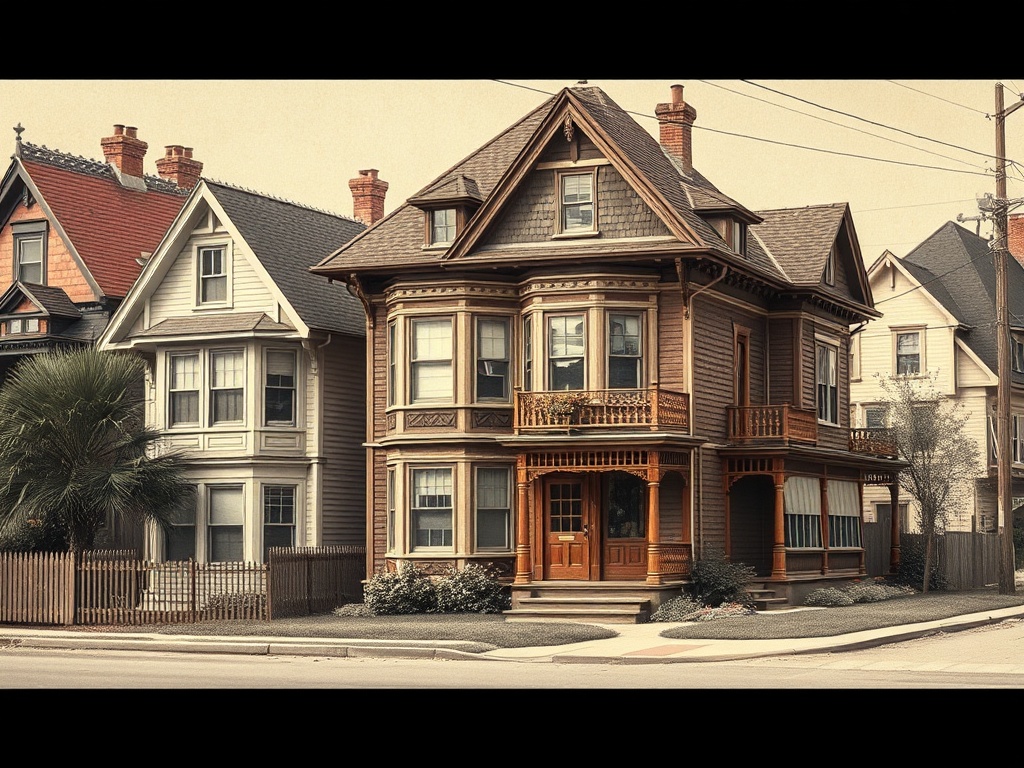
Where full replacement isn’t feasible, targeted weatherstripping and storm windows are cost-effective alternatives.
– Smart thermostats and controls: Smart thermostats improve efficiency through adaptive scheduling and remote control. They’re relatively inexpensive and appeal to tech-savvy buyers.
– LED lighting: Swapping incandescent or halogen bulbs for LEDs is low-cost and produces immediate energy savings along with better longevity.
– Solar panels and battery storage: Solar installations can significantly reduce utility bills and attract buyers focused on sustainability.
Paired batteries increase resilience and appeal in markets where power outages are a concern. Evaluate financing options and local incentives to determine payback.
– Water efficiency and HVAC distribution: Low-flow fixtures, more efficient water heaters, and optimizing ductwork reduce utility costs and improve system performance.
Certifications and disclosure
Green certifications, such as ENERGY STAR, LEED, or local green-home programs, provide independent validation of efficiency claims and can positively influence buyer perception. Including audit reports, utility-statement history, and documentation of upgrades in marketing materials builds confidence and helps justify a higher asking price.
Curb appeal and landscaping
Energy-conscious landscaping — shade trees on the west side, windbreaks, and drought-tolerant plantings — reduces heating and cooling demands and improves exterior appeal.
Hardscaping that minimizes maintenance also attracts buyers looking for low operating costs.
Marketing and buyer communication
Frame energy upgrades in terms buyers care about: monthly savings, comfort, reduced maintenance, and long-term value. Provide concrete examples: before-and-after utility bills, warranty information, and any transferable service agreements. Highlighting how a home performs, not just what was replaced, differentiates listings.
Plan upgrades strategically
Not every upgrade makes sense for every home.
Use an audit to prioritize actions that address the biggest inefficiencies, check for local rebates or financing, and consider buyer preferences in your market. Many improvements that reduce operating costs also enhance resale value, making energy efficiency one of the smartest investments for homeowners aiming to increase both comfort and curb appeal.
For sellers and landlords, showcasing energy performance is a competitive advantage. For buyers, choosing a home with documented efficiency can lower lifetime costs and environmental impact. Check local programs and resources to maximize incentives and ensure upgrades are done to standards that will be recognized by appraisers and buyers.