Estate Wren · Property brief
Best Energy-Efficient Home Upgrades to Boost Resale Value and Lower Bills
Energy-efficient home upgrades attract buyers, lower utility bills, and can raise resale value.
Whether you’re preparing a property for sale or improving long-term comfort, prioritize improvements that offer strong return on investment and broad appeal to eco-conscious buyers.
Why energy upgrades matter
Buyers increasingly compare homes based on monthly operating costs, not just square footage. Upgrades that reduce heating, cooling, and water use make a property more marketable and can shorten time on market. Lenders and appraisers are also paying closer attention to energy efficiency when estimating home value, so improvements may show up in appraisals.
High-impact upgrades to consider
– Insulation and air sealing: Proper insulation in attics, walls, and basements plus thorough air sealing reduce drafts and stabilize indoor temperatures. These measures are relatively low-cost compared with major systems and deliver steady savings year-round.
– High-efficiency HVAC and heat pumps: Replacing an aging furnace or air conditioner with a modern, energy-efficient unit—or switching to an electric heat pump—can significantly reduce energy bills and appeal to buyers looking for lower operating costs. Include documentation of service and installation warranties when selling.
– Smart thermostats and zoning controls: Smart thermostats optimize heating and cooling schedules, while zoning systems improve comfort and efficiency in larger homes. These upgrades are affordable and demonstrate a forward-thinking, connected home.
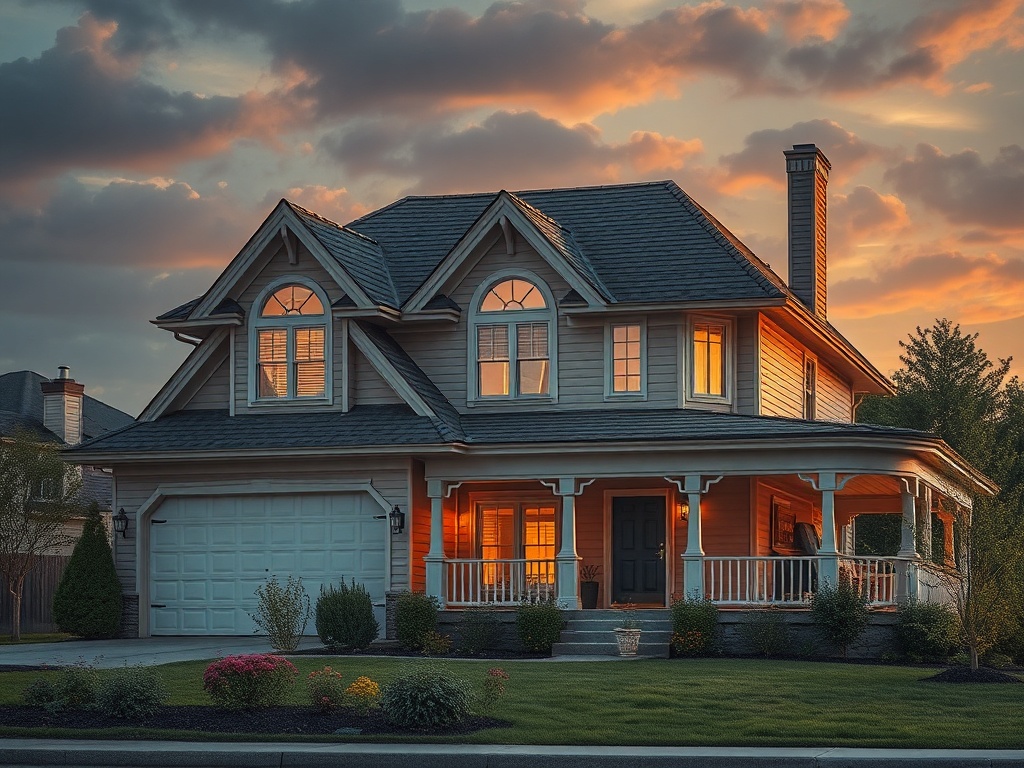
– Energy-efficient windows and doors: Upgrading to double- or triple-pane windows and weather-tight exterior doors improves comfort, reduces noise, and lowers heating and cooling loads. Focus on products with good performance ratings and attractive frames to maintain curb appeal.
– LED lighting and efficient appliances: Swapping incandescent bulbs for LEDs and replacing old appliances with ENERGY STAR-rated models reduces energy use immediately. These are quick, visible improvements that buyers notice.
– Solar panels and battery storage: Solar installations are highly visible value-adds for many buyers, especially when paired with battery storage for resilience. Financing options and incentives can lower upfront cost; provide clear documentation of warranties and production data to potential buyers.
– Water-saving fixtures and landscaping: Low-flow faucets, dual-flush toilets, and smart irrigation systems conserve water and lower utility bills.
Native or drought-tolerant landscaping reduces maintenance and enhances curb appeal.
Financing and incentives
Many jurisdictions offer rebates, tax credits, or special financing for efficiency upgrades. Municipal programs and green loans can spread the cost over time and sometimes transfer with the property. Research local incentives and include any transferable benefits in the property listing to attract buyers.
How to present upgrades to buyers
– Gather documentation: Energy audits, appliance manuals, warranties, and utility bills showing savings help buyers understand the value of improvements.
– Highlight monthly savings: Translate efficiency into dollars—estimated monthly and annual savings resonate more than technical specs.
– Use clear, buyer-friendly language: Phrases like “lower energy bills,” “improved comfort,” and “reduced maintenance” are persuasive.
– Stage with sustainability in mind: Show how features like smart thermostats or efficient lighting are used in everyday life to make the benefits tangible.
Choosing projects that balance cost and buyer appeal is key. Start with measures that deliver visible benefits and documented savings, then target larger investments if they match neighborhood expectations. Thoughtfully selected energy-efficient upgrades can make a home more comfortable, cheaper to operate, and more competitive on the market.