Estate Wren · Property brief
7 Energy-Efficient Upgrades That Boost Home Resale Value and Cut Utility Bills
Energy-efficient upgrades are among the most effective ways to increase a home’s appeal and resale value while cutting monthly operating costs. Buyers are increasingly looking for properties that offer lower utility bills, greater comfort, and long-term sustainability. The following guide highlights practical improvements that deliver strong returns and make a listing stand out.
High-impact upgrades to prioritize
– Insulation and air sealing: Improving attic and wall insulation and sealing drafts around windows and doors reduces heating and cooling loss.
Results are noticeable in comfort and utility bills, and this upgrade is cost-effective compared with more visible renovations.
– High-efficiency HVAC and smart thermostats: Replacing an aging furnace or air conditioner with a high-efficiency model, combined with a programmable or smart thermostat, delivers measurable savings and is a strong selling point for energy-conscious buyers.
– Window upgrades: Installing double- or triple-pane windows or adding storm windows improves thermal performance and noise reduction.
When full replacement isn’t practical, cost-effective weatherstripping and thermal curtains add value.
– LED lighting and efficient appliances: Swapping incandescent bulbs for LEDs and upgrading to ENERGY STAR-rated appliances reduces electricity use and signals to buyers that the home has been thoughtfully maintained.
– Water-saving fixtures: Low-flow toilets, showerheads, and faucets conserve water and appeal to eco-minded buyers while reducing utility bills.
– Solar-ready improvements: Installing solar panels is transformational where feasible, but at minimum, making a roof solar-ready (good orientation, recent roof replacement) and noting any existing solar arrays or lease arrangements helps buyers evaluate the home’s future energy profile.
– EV charging infrastructure: Adding a dedicated 240V outlet or Level 2 charger in the garage attracts buyers who own or plan to buy electric vehicles.
Smart staging and marketing tips
– Quantify savings: Use utility bills, energy audit results, or estimates to show potential buyers the likely savings from upgrades.
Numbers make a stronger case than generic claims.
– Highlight certifications and documentation: Home energy audits, utility rebate receipts, or ENERGY STAR/other certification paperwork reassure buyers and add credibility.
– Promote comfort benefits: Emphasize quieter operation, more consistent indoor temperatures, and improved air quality in listing copy and showings—these daily benefits resonate more than abstract savings.
– Use visuals: Before-and-after photos of upgrades, photos of modern HVAC equipment, or a short checklist of energy features make listings more compelling.
Cost vs.
return considerations
Not every upgrade yields the same payback in a resale transaction.
Cosmetic improvements can generate immediate buyer interest, but energy-efficient investments often deliver stronger long-term value and attract a broader buyer pool.
Consider local market preferences—some neighborhoods highly value solar and EV-ready homes, while others prioritize low-maintenance landscaping and efficient heating.
Financing and incentives
Financing options and utility or local government incentives can reduce upfront costs for major upgrades. Buyers and sellers should explore available rebates, tax credits, and low-interest loan programs to improve project affordability. A certified contractor or local utility program can help identify opportunities.
Getting started
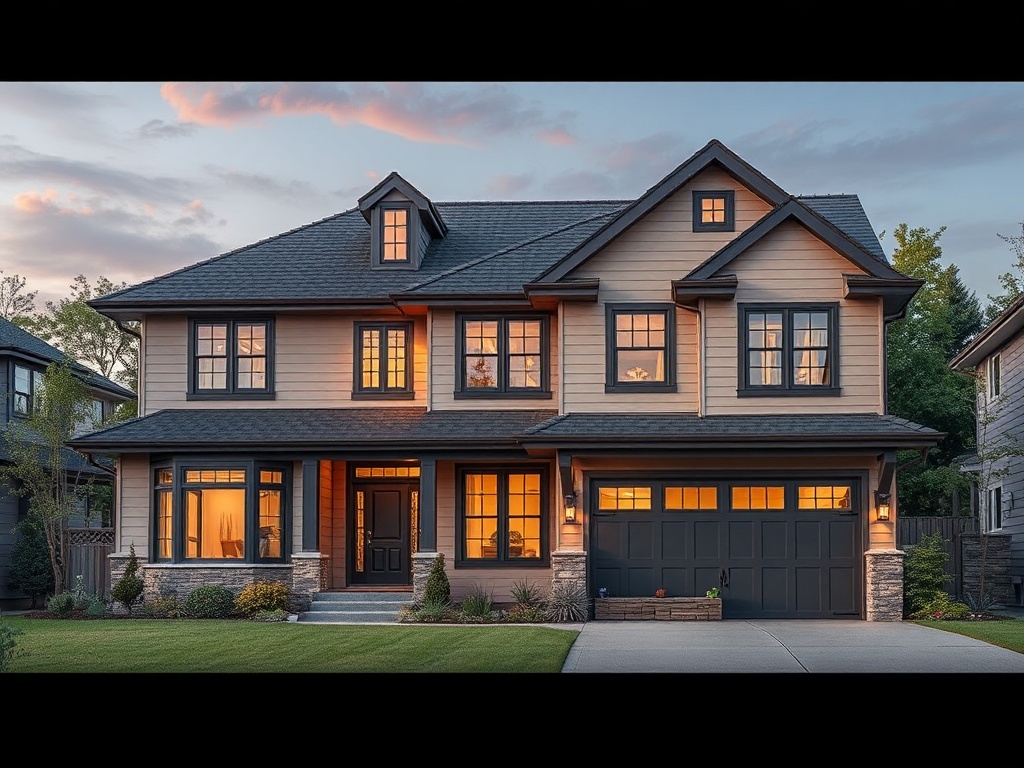
Begin with a professional home energy audit to identify the most cost-effective improvements for a specific property. Prioritize air sealing and insulation, then address HVAC, windows, and appliances.
Keep clear records and highlight any completed upgrades prominently in marketing materials—energy-efficient features can be a decisive advantage in a competitive market.