Estate Wren · Property brief
6 Smart Home Upgrades That Boost Resale Value: ROI, Safety & Presentation Tips
Smart home upgrades that boost resale value
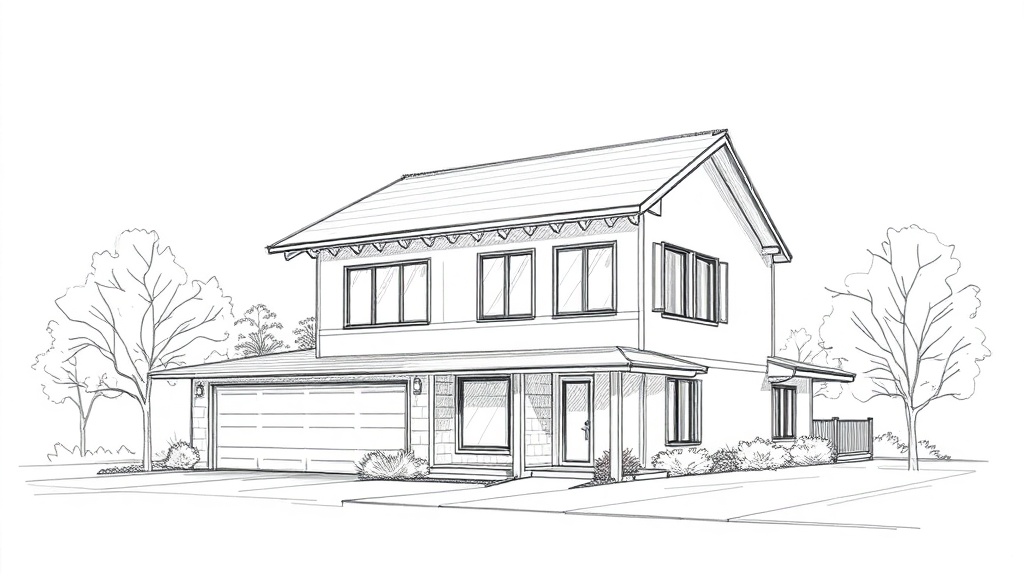
Smart home features are more than gadgets — they’ve become mainstream expectations for many buyers.
Thoughtful, well-executed upgrades can increase perceived value, speed up a sale, and make a property stand out in a crowded market.
Focus on upgrades that deliver convenience, safety, energy savings, and broad compatibility.
High-impact smart upgrades
– Smart thermostat: A learning or programmable thermostat improves comfort and energy efficiency. It’s one of the most visible, user-friendly upgrades buyers appreciate because it lowers utility costs and can be shown easily during a showing.
– Smart locks and video doorbells: These enhance curb appeal and security. Keyless entry and package monitoring are practical selling points that resonate with busy households and remote workers.
– Smart lighting: Dimmable, app-controlled lighting and smart switches offer ambiance and energy savings without expensive rewiring. Scene-based controls make rooms feel modern and flexible.
– Smart smoke, CO, and leak detectors: Safety features are non-negotiable for many buyers. Connected detectors can alert owners remotely and often integrate with insurance discounts.
– Smart garage and gate openers: Remote access and activity logs are useful for buyers who value convenience and home monitoring.
– Energy-efficient appliances and systems: Smart refrigerators, washers, and HVAC components that report diagnostics can be attractive, especially when paired with energy-efficient certifications.
Future-proofing and compatibility
Choose devices that work with major platforms and support open standards. Buyers want systems that don’t lock them into a single ecosystem, so cross-platform compatibility and adherence to industry standards can increase appeal. Cloud-dependent devices can be useful, but consider solutions that retain local control or offer clear transfer instructions for new owners.
Privacy and security considerations
Installations should follow best practices for cybersecurity: strong, unique passwords, separate networks for IoT devices, and up-to-date firmware. Include documentation about security measures in the home’s information packet.
Buyers will appreciate transparency about data practices and steps taken to protect their privacy.
Cost versus return
Not every smart upgrade yields the same return on investment. Low-cost, high-impact items like smart thermostats and video doorbells typically deliver tangible benefits without large upfront costs. Whole-home automation systems may be impressive but can be costly and polarizing if they require proprietary ecosystems. Focus on upgrades that solve common buyer pain points—energy savings, security, and convenience—while avoiding overly customized setups that could limit appeal.
Installation and presentation tips
– Keep the interface simple: Configure devices with clear names and easy routines. Demonstrate key features during showings.
– Provide documentation: Include manuals, warranty information, and transfer instructions for accounts and apps. Create a short sheet explaining how to operate basic functions.
– Keep aesthetics neutral: Choose finishes and devices that blend with the home’s style rather than shouting technological excess.
– Offer professional setup or a handoff: Either have devices professionally installed and documented, or provide a clean reset and new-owner setup guide.
Final considerations
Smart upgrades should enhance everyday living and reassure prospective buyers about safety, savings, and convenience.
Prioritize interoperability, security, and straightforward user experiences.
When done thoughtfully, smart home features can make a property feel modern and cared-for — and that perception often translates into faster sales and stronger offers.